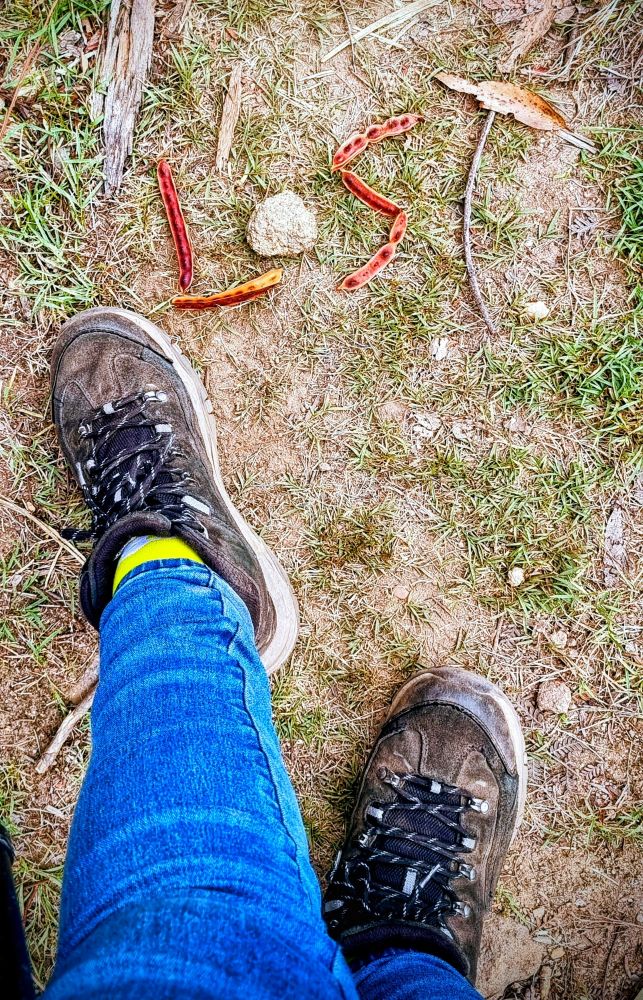

The Lost City – A Seven Valleys Wonder
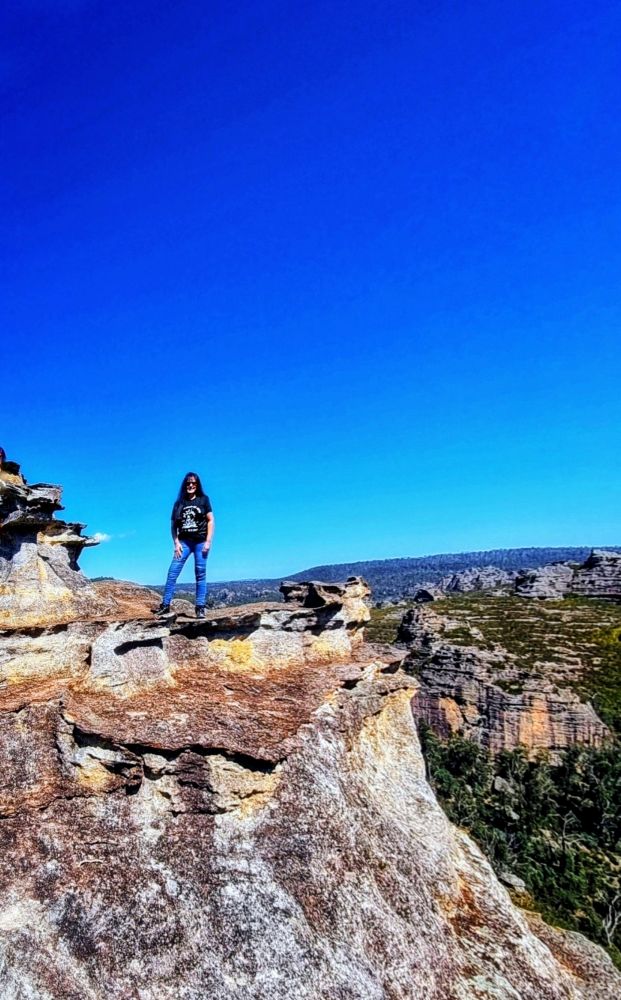
Exploring the Lost City
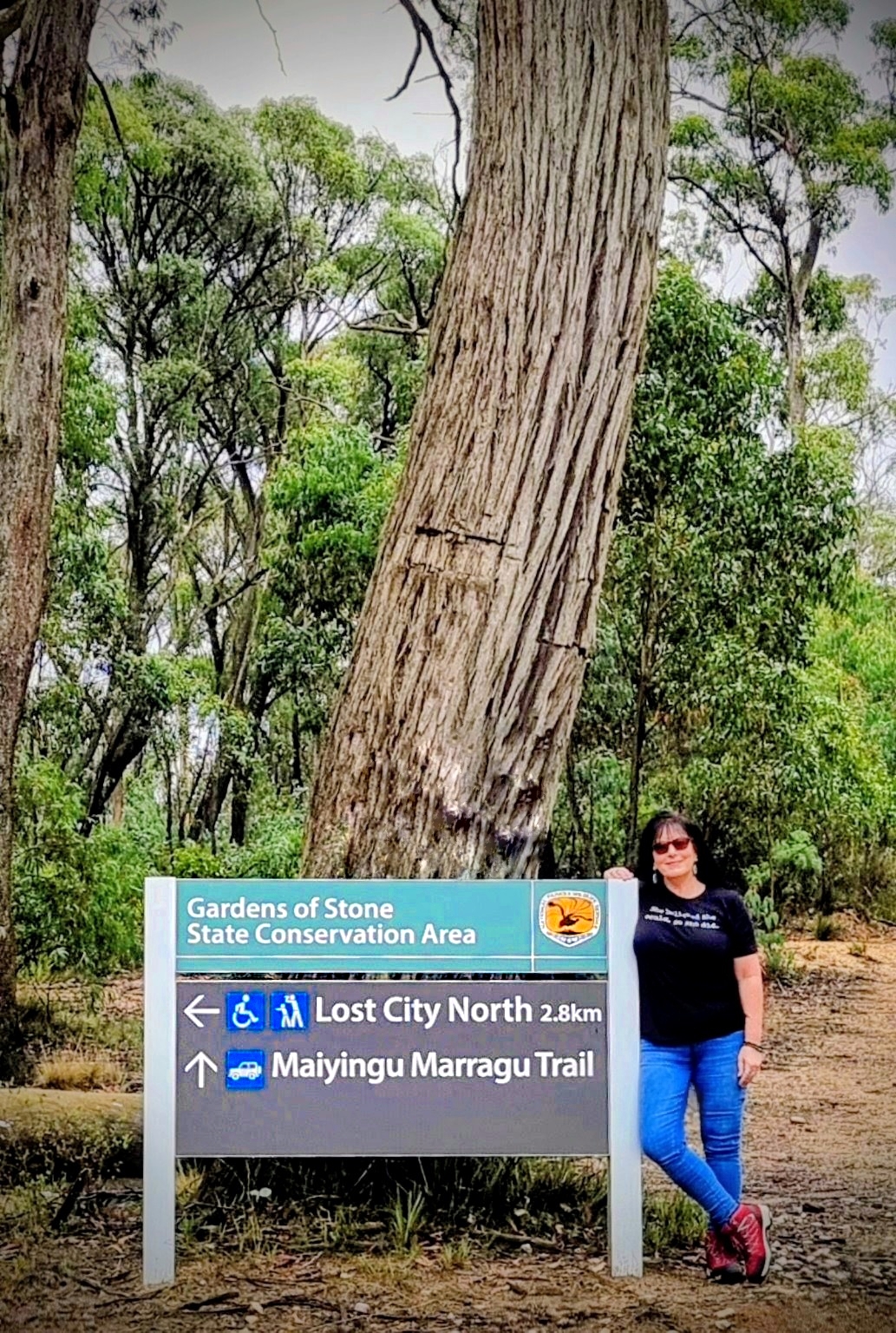
High on the Newnes Plateau, within the wild and beautiful Gardens of Stone State Conservation Area, lies one of the Seven Valleys’ most extraordinary landscapes – The Lost City.
This unforgettable Seven Valleys bushwalk combines sweeping sandstone platforms, rare flora, industrial relics and two incredible lookouts.
Whether you tackle the full walk or simply take in the breathtaking lookouts, the Lost City rewards every visitor.
Why Is It Called ‘The Lost City’?
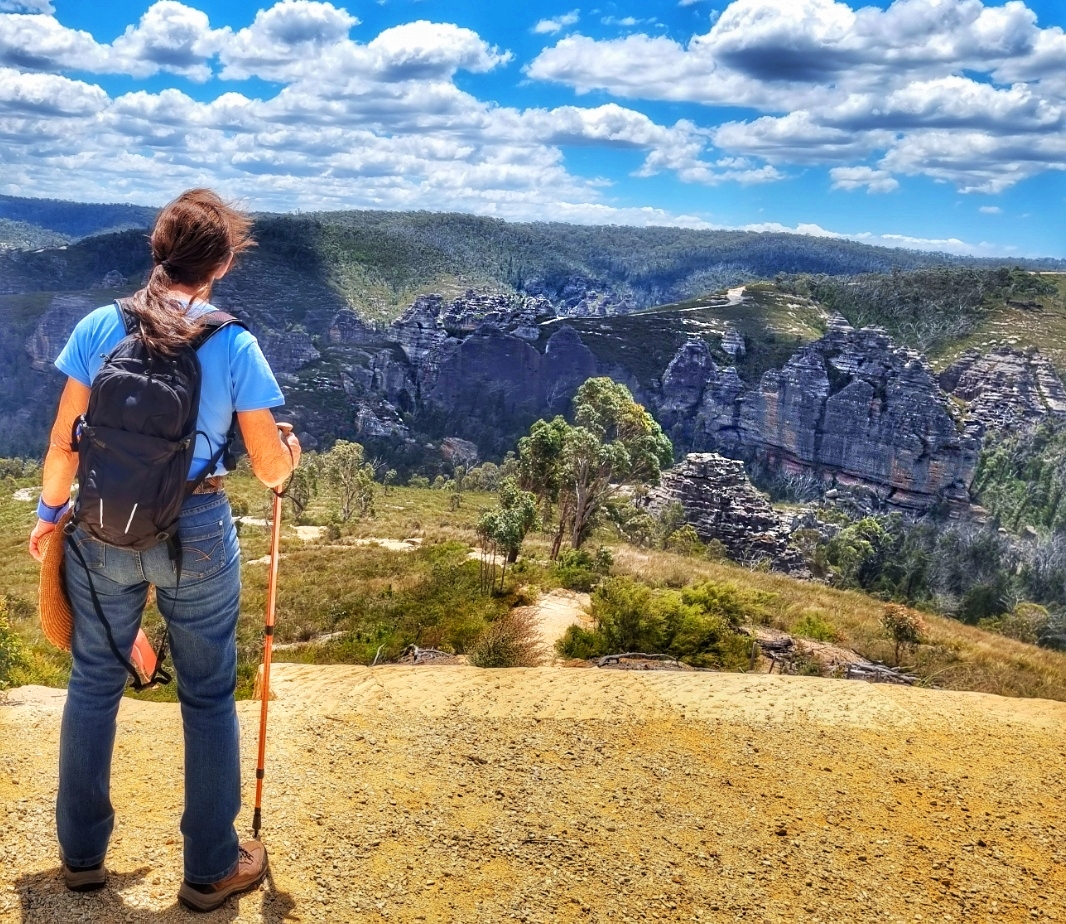
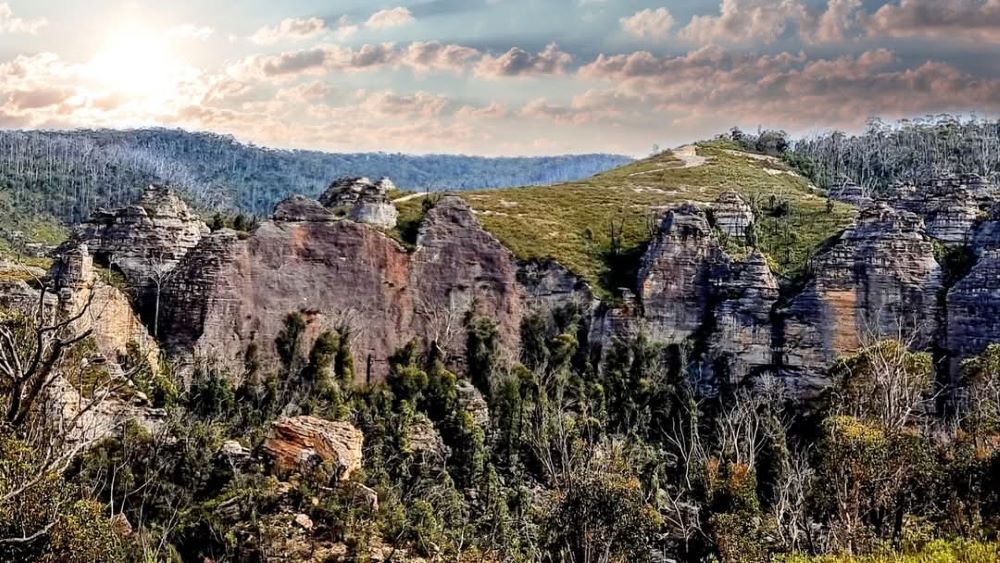
Step onto the vast sandstone platforms of Lost City North and Lost City South and the name makes perfect sense!
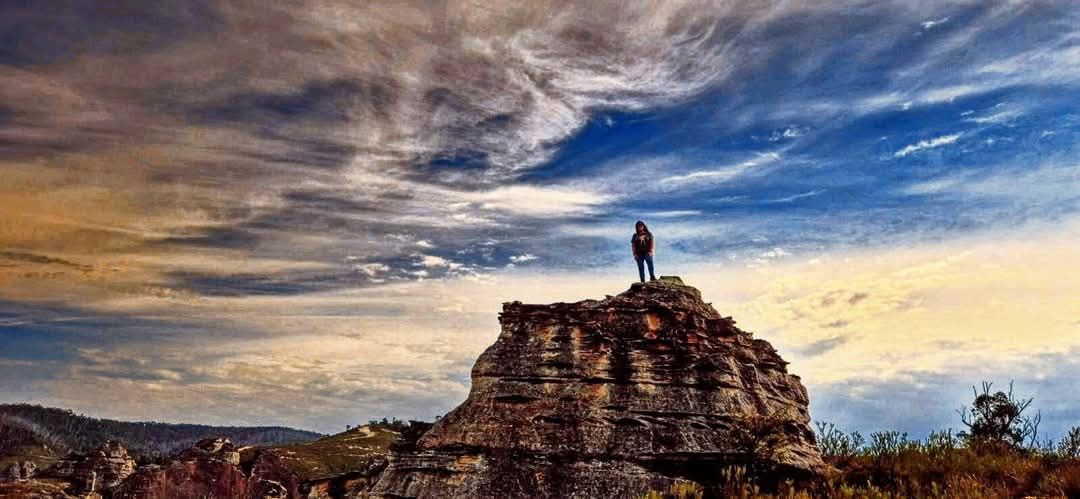
Weathered pagodas, narrow corridors and towering stone formations rise from the plateau like the ruins of an ancient civilisation……a city seemingly forgotten by time. Early visitors to the area likened the landscape to crumbling, walls and buildings, and the name Lost City endures.
The Greater Blue Mountains World Heritage Area consists of 1.03 million ha of sandstone plateau, escarpments and gorges dominated by temperate eucalypt forest.
At well over 1,000 metres above sea level, these rugged rock platforms on the Newnes Plateau form the highest sandstone plateau in the region.
A Haven for Rare Flora and Fauna
The Lost City lies within one of Australia’s most botanically significant landscapes. The Gardens of Stone is renowned for its remarkable biodiversity, supporting rare and threatened plant species, many found nowhere else.
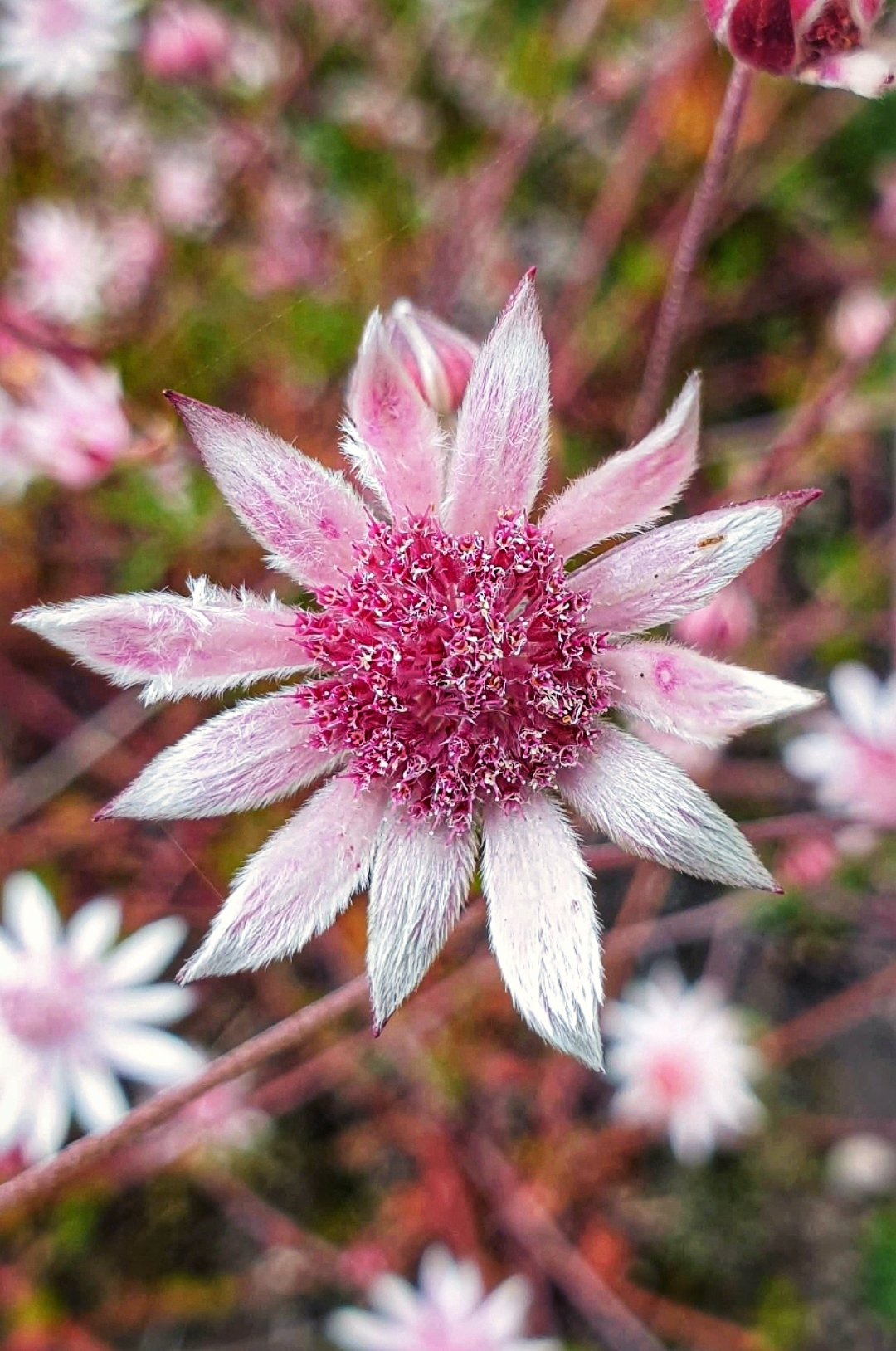
Seasonal wildflowers, dramatic skies and ever-changing light make every visit unique.
Along with abundant birdlife, the open sandstone country provides refuge for native animals adapted to this high-altitude environment.
Keep your eyes open for the Giant Dragonfly !
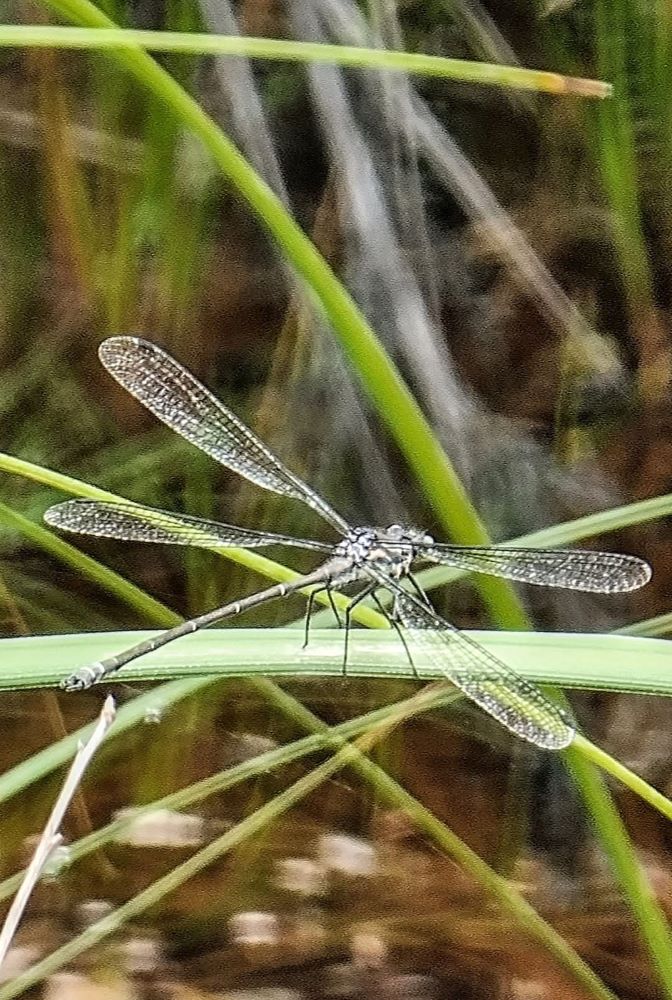
The Endangered Giant Dragonfly (Petalura gigantea) is a rare, ancient insect inhabiting permanent peat swamps on the Newnes Plateau within the Gardens of Stone State Conservation Area. As one of the world’s largest dragonfly’s, they have a wingspan of about 12.5 cm !
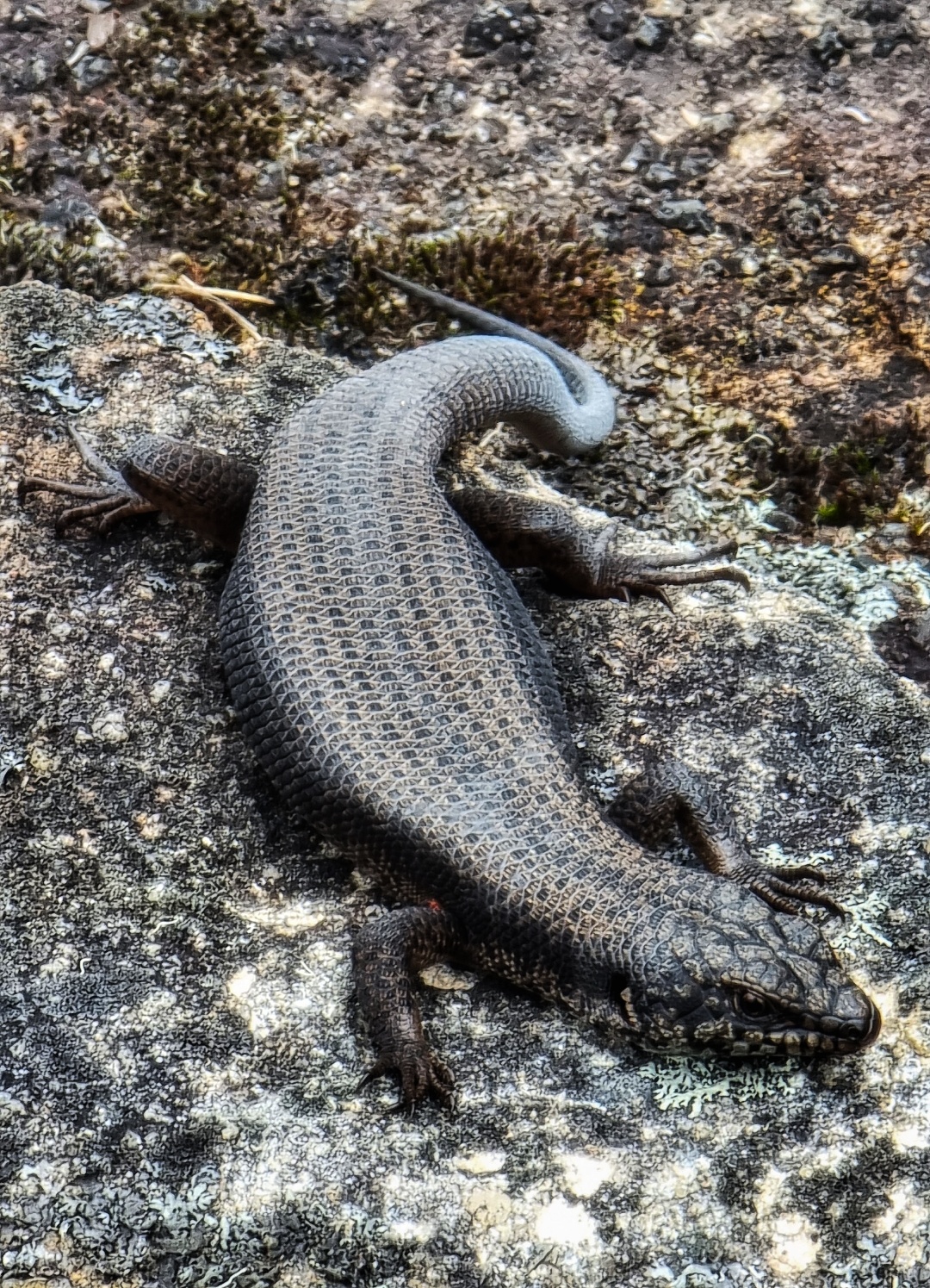
Fascinating Wildlife Along The Way
Egernia saxatilis, commonly known as the black rock-skink or black crevice-skink, is a species of large skink, a lizard in the family Scincidae. The species is native to the south east of Australia, mainly on the coast and nearby ranges. Distribution is severely fragmented and the number of adults appears to be decreasing, so I was really pleased to see this beautiful lizard along the track.
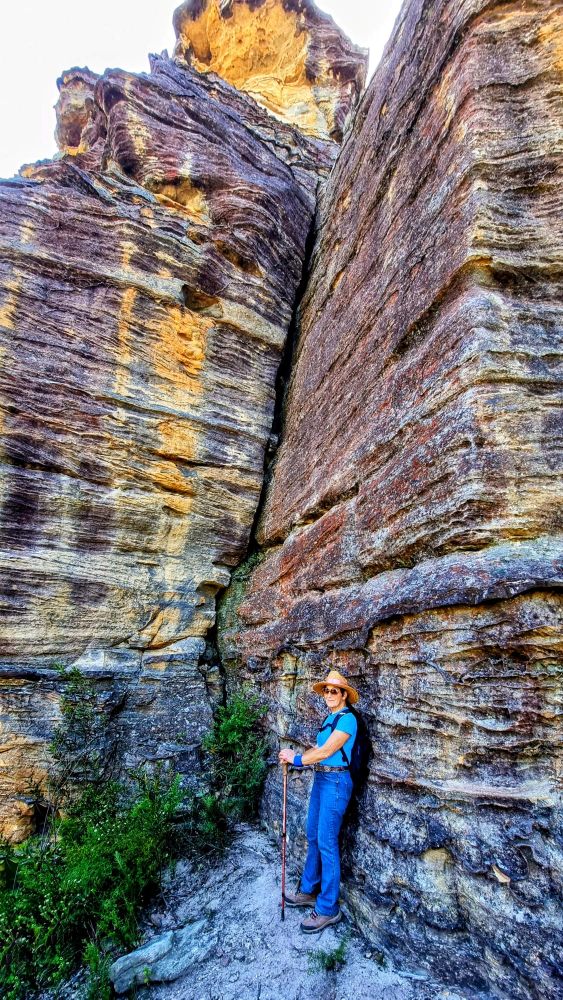
Incredible Pagoda Formations
The Lost City on the Newnes Plateau…so how did it form?
Millions of years ago the sandstone of the Newnes Plateau was covered with a layer of basalt.
The vast amount of water which percolated down through the basalt during those much wetter times became really saturated with minerals like iron.
The water flowed into the faults and crevices that twisted and turned throughout the underlying sandstone and deposited these minerals.
The resulting ironstone veins and plates that filled these fissures took on extraordinary shapes!
Over many millions of years the basalt eroded away leaving only small caps on places like Mt
Banks, Mt Irvine, Mt Tomah, Mt Wilson, Mt Hay and a few smaller peaks in surrounding regions. This now exposed sandstone eroded at a faster rate, the erosion initially following fault lines resulting in columns of sandstone being formed.
Some of these huge columns collapsed into the valleys below while others stood firm. Weathering continued, time rolled on, the soft sandstone eroding much more quickly than the ironstone plates.
And that’s how these fantastic pagoda formations were created. Smooth ones, platey ones, some intricate, some towering….from a distance, and with a bit of imagination, there’s the illusion of an abandoned ancient stone city.
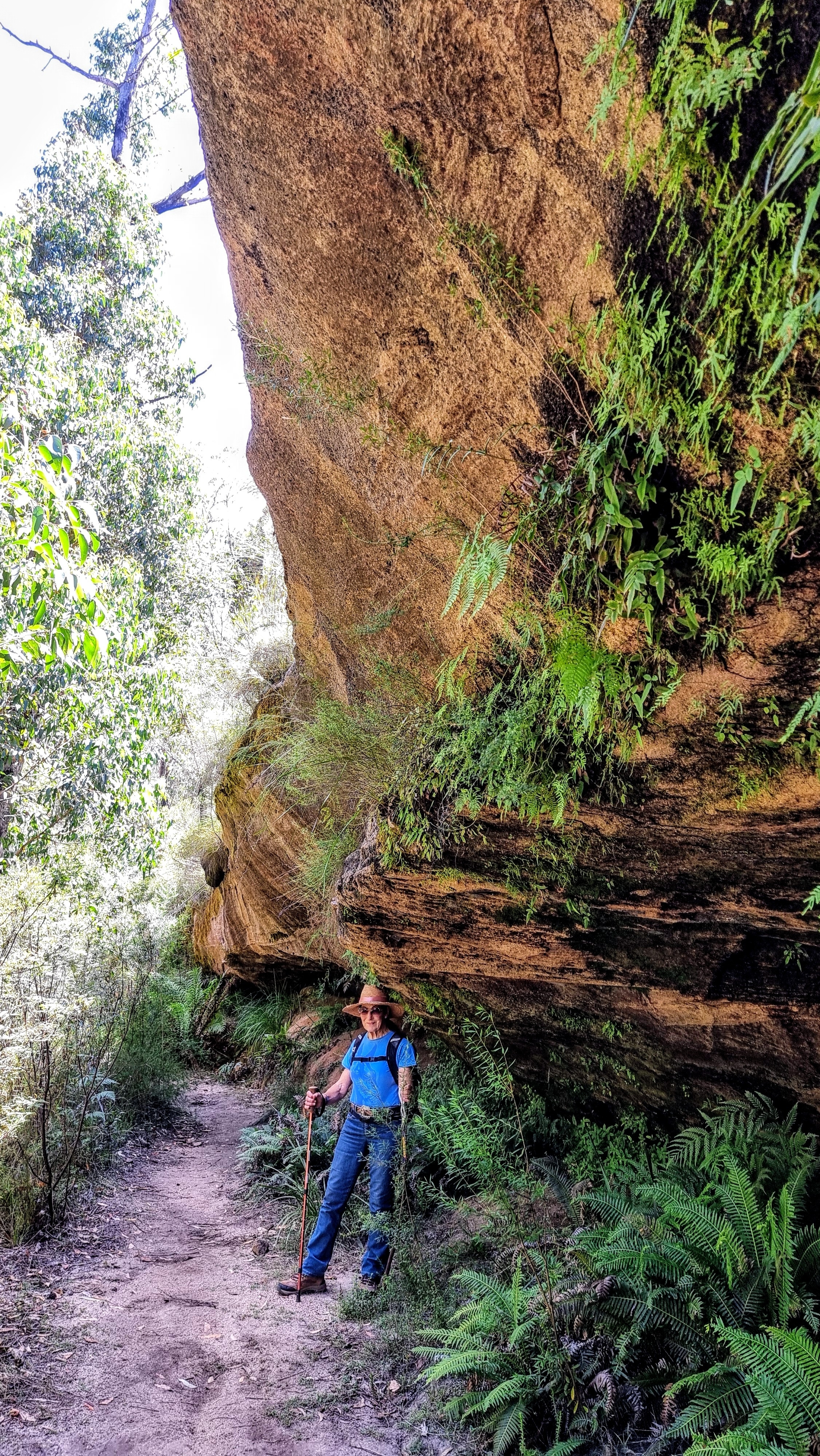
There are many fantastic walking trails in the Seven Valleys, but this is one of my favourites !
The Lost City Walk, in the Gardens of Stone State Conservation Area took us through beautiful pagoda country on a warm summer’s day, clear blue skies stretching for miles.
This area was part of the extensive State Mine operations, in Lithgow. Initially coal was mined for steam trains & later for a power station, built in 1928, known as ‘The Pride of the West’, in Lithgow.
Two dams were also built in 1910, for the Marrangaroo and Lithgow water supply – you can see these dams along the Lost City trail.
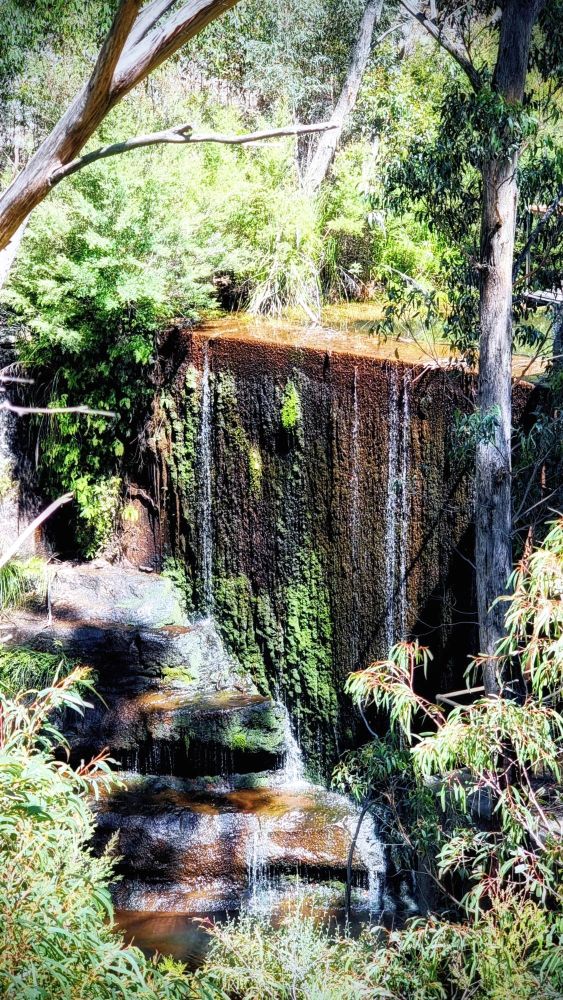
This 6km return walk is rated at Grade 3, making it accessible to most walkers with a reasonable level of fitness.
We took four hours, including a couple of stops for a cuppa – One of the best pieces of hiking advice I was given, was from a seasoned bushwalker. Always bring a thermos of tea, and a sandwich!!
As the track winds through heathland and scribbly gum forest, visitors encounter remnants of a very different era – when miners and engineers worked this rugged plateau in support of the nearby coal industry at the Lithgow State Mine.
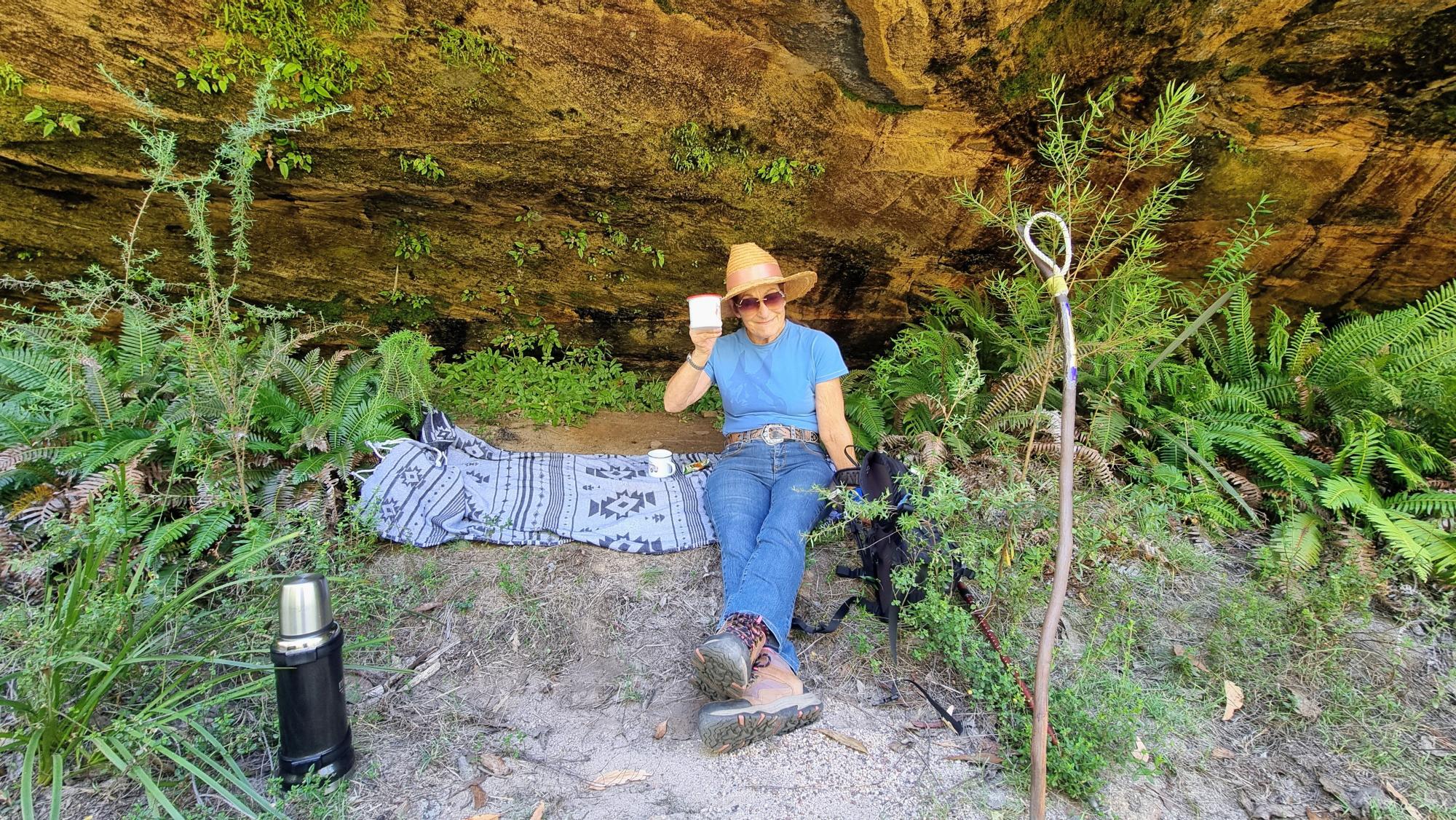
Enjoying A Cuppa
Coal Mining In The Area: A Glimpse Into The Past
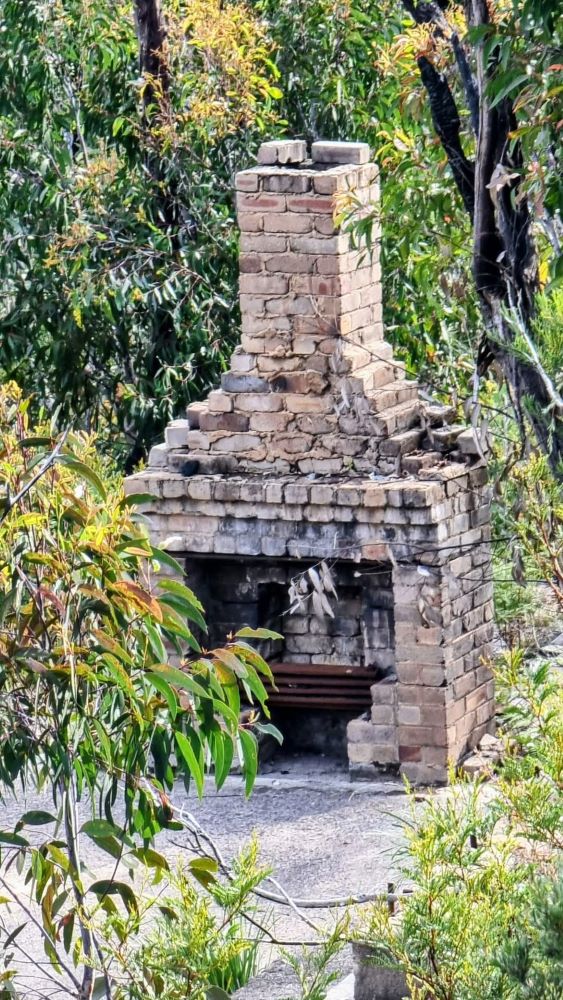
The area surrounding the Lost City also has a history tied to coal mining. In the 19th and early 20th centuries, the State Mine and other local mines were vital to the region’s economy. The mines, which operated until the mid-1900s, once attracted workers from across the country. Evidence of the old mining days can still be found scattered across the landscape, including the Miners Pass rock steps, a well-known feature in the area. These steps were carved into the rocks by workers as they made their way to and from work. It’s a fascinating historical touch that adds another layer of depth to your walk.
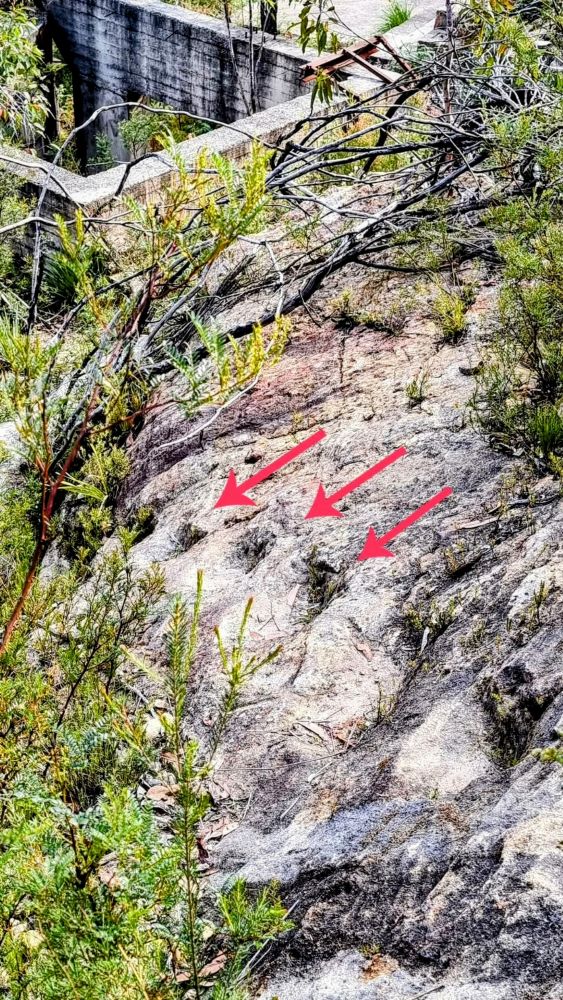
Footsteps Cut in Stone
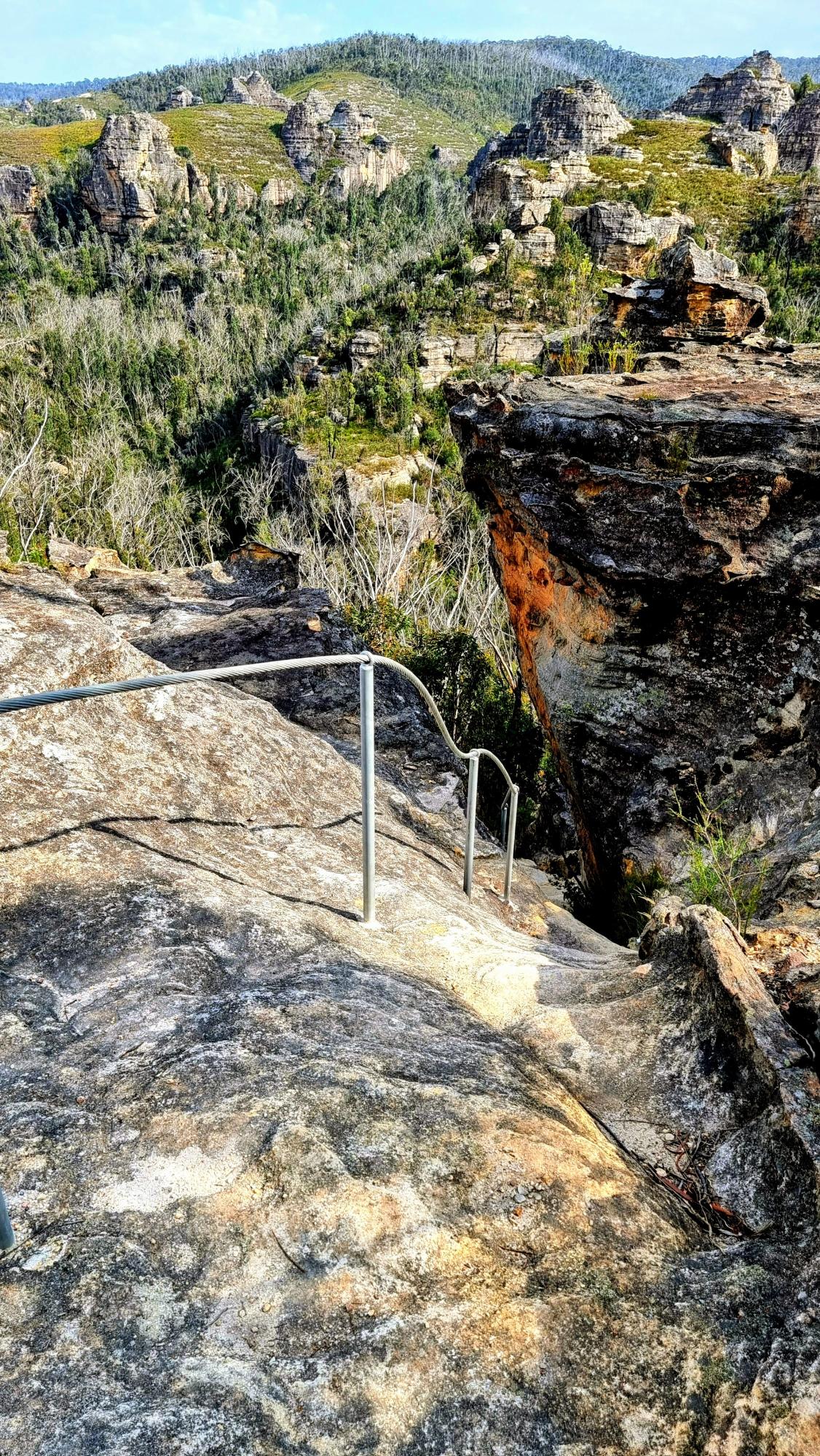
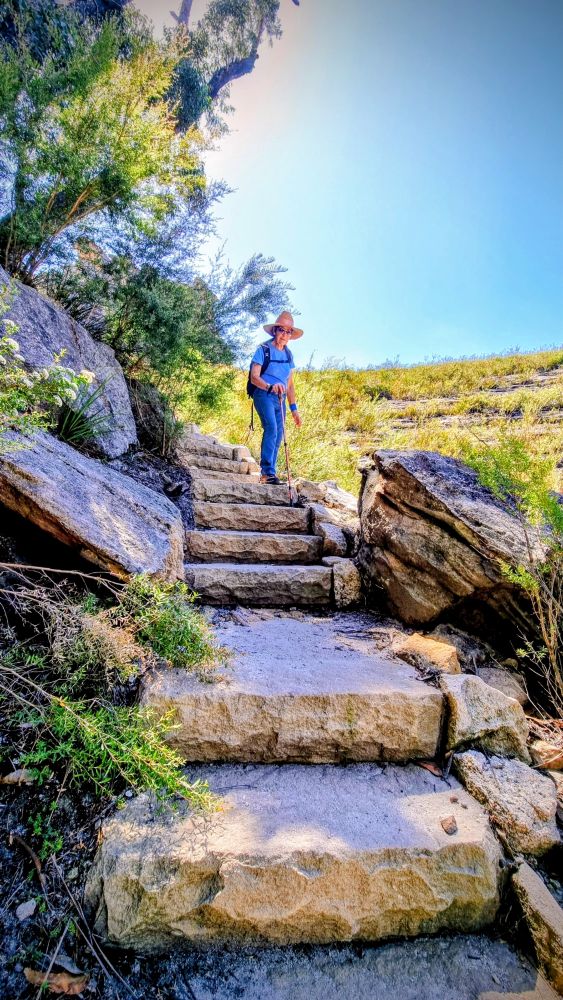
For confident walkers, the Miners Pass is a fascinating optional detour.
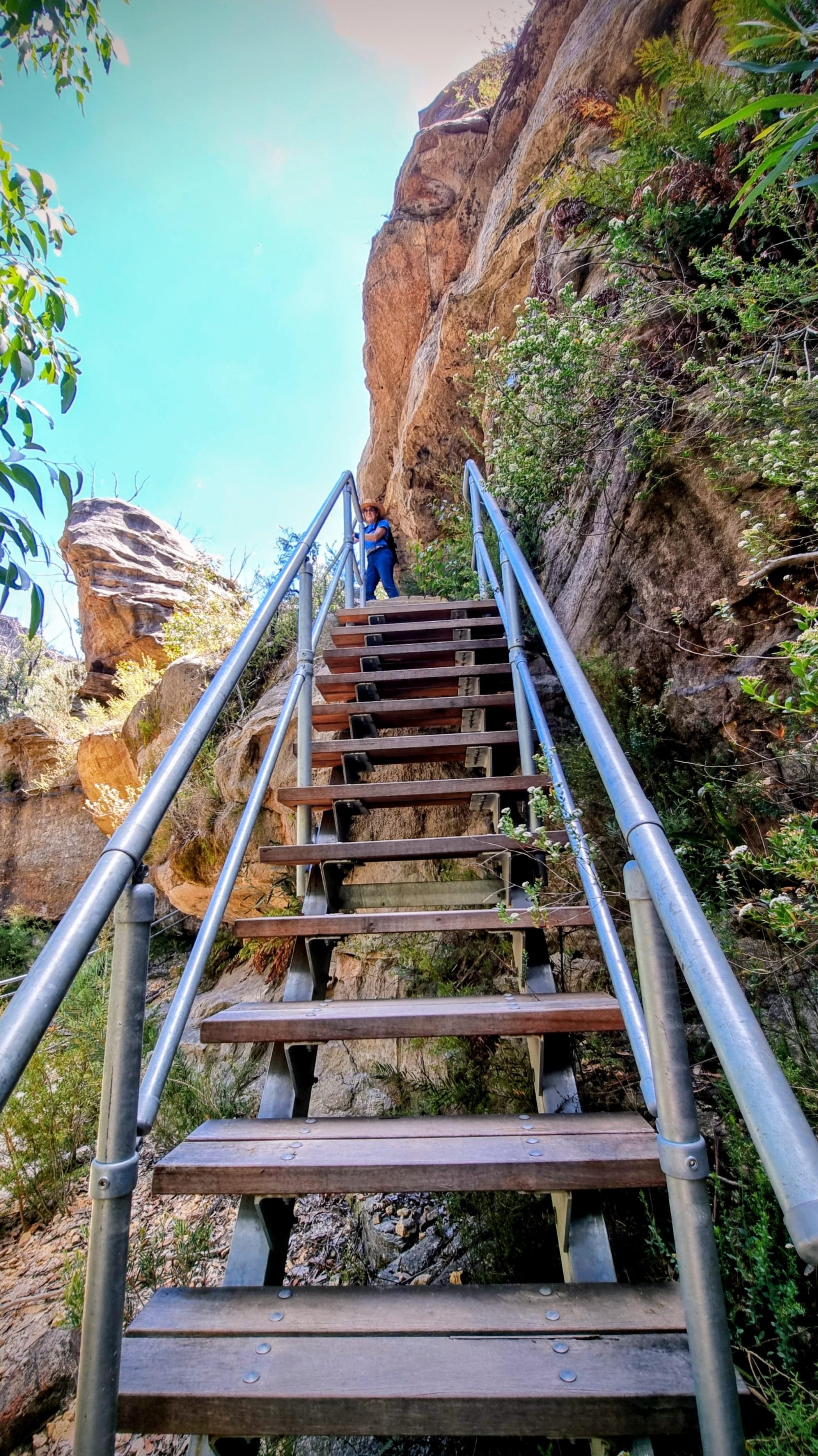
This historic shortcut reduces the walk by around 700 metres, but is rated Grade 4, due to its steep, rocky nature. Miners of the past cut footholds directly into the sandstone, creating a practical passage out of the valley. National Parks and Wildlife have added railings for extra help and a few more steps.
Standing on these worn steps offers a powerful reminder of the physical effort required to work in such a remote and demanding environment.
A Step Back In Time: The History Of Middle River And Marrangaroo Creek Dams
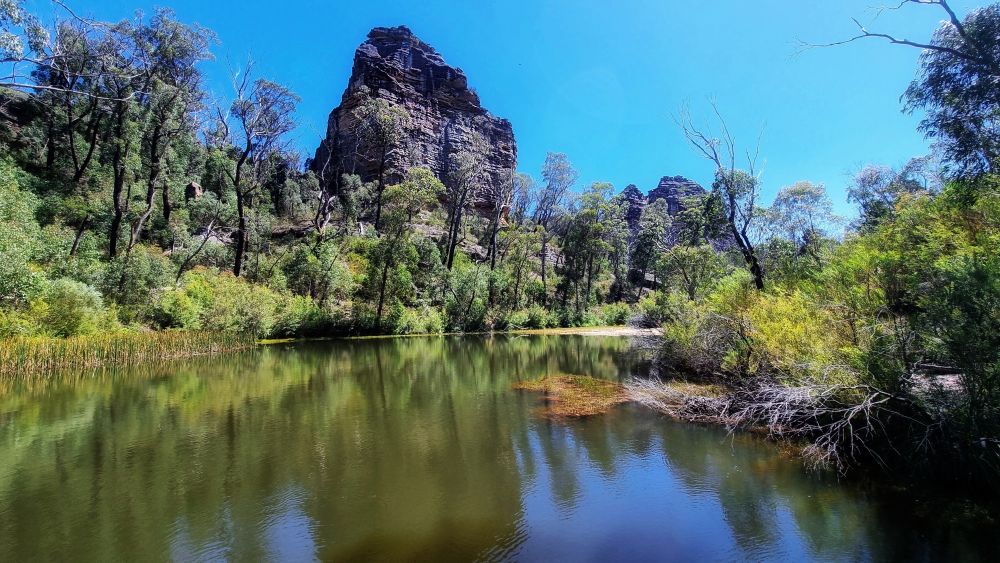
If you’re a fan of history, you’ll find that the area around the Lost City is rich in heritage. The Middle River and Marrangaroo Creek Dams, built in the early 20th century, were significant for supplying water to surrounding communities. As you hike, you’ll find remnants of these old dams, which offer a glimpse into the past and a reflection on how the land has been shaped by human activity.
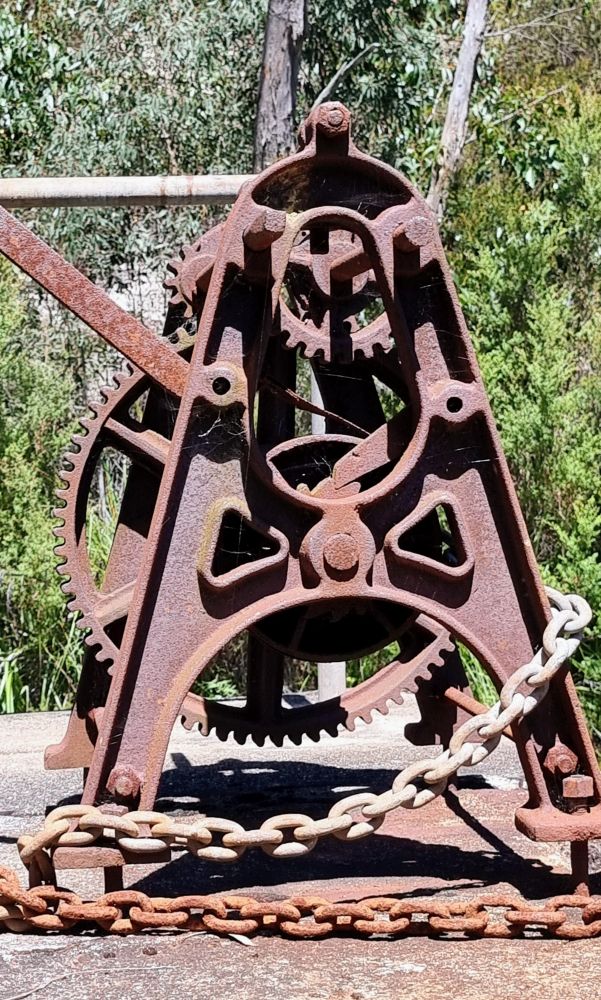
Remnants From Days Of Old
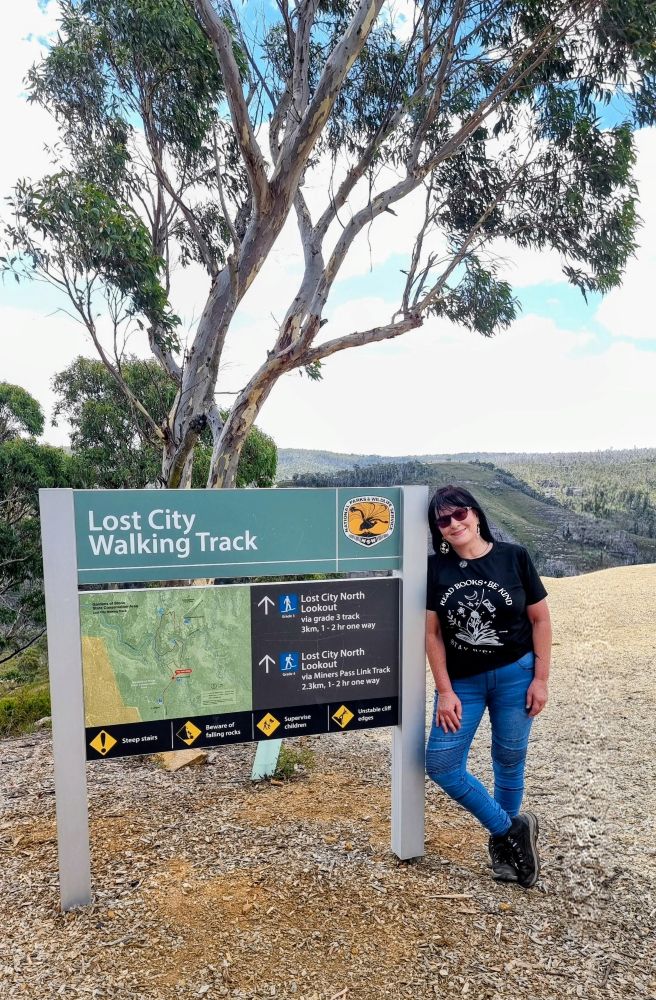
Lookouts Without the Walk
Not everyone wants to complete a 6km bushwalk !
Lost City North lookout is an accessible lookout, and offers spectacular views. For Lost City South Lookout, it is just a short 400m walk to the viewing platform.
This makes both lookouts ideal for photographers, families and travellers short on time.
Practical Tips For Your Bushwalk
- Best Time to Visit: We think any time of the year is a good time to visit ! Autumn and Spring are always good choices too, as the weather is milder, making for a more enjoyable walk, especially for beginners. Summer can be quite hot, and with the rough terrain, it can be more challenging, especially as the initial part of the walk is quite exposed.
- The Hike: The whole hike through the Lost City Precinct is just over 6km (return), taking you from the Lost City South to the Lost City North, and back…or you can reverse the walk by starting at Lost City North. Of course, you can choose to do smaller portions, or even just the easy 400m stroll to the incredible lookout. This moderate walk is a great adventure, with scenic views and fascinating rock formations along the way.
- What to Bring: Wear sturdy, comfortable shoes with good grip, as the terrain can be rocky and uneven. A hat and sunscreen are essential and always carry plenty of water to stay hydrated. Don’t forget to pack snacks to keep your energy levels up as you walk.
- Safety First: While the Lost City is a well-known destination, always be sure to stay on marked trails, as the landscape can be rugged and tricky in places. Walk at your own pace, especially if you’re new to bushwalking. Before heading out, let someone know your plans, and make sure your phone is fully charged in case of an emergency. Phone reception is very patchy on the Newnes Plateau and should not be relied upon.
Before setting out, make sure to stop by the Seven Valleys Visitor Centre for helpful tips, maps, and additional advice from the friendly staff. We can provide you with the latest trail information, as well as great suggestions for other nearby attractions.
Final Thoughts
Whether you’re an experienced adventurer or just looking for a relaxing day in nature, the Lost City in the Gardens of Stone State Conservation Area offers a memorable experience. With its surreal rock formations, fascinating wildlife, and deep history, it’s an unforgettable spot to explore.
So, grab your gear, head to the Seven Valleys Visitor Centre for all the insider tips, and set out for a bushwalk you won’t soon forget!