
Historic Hartley Vale – A Journey Through Time
The ridges and valleys of the Seven Valleys and surrounding areas, are the traditional lands of the Wiradjuri, Dharug and Gundungurra people.
Exploring historic Hartley Vale, nestled at the base of Mt York, reveals a wonderful combination of nature and colonial history.
Hartley Vale is one of those places I keep coming back to.
Tucked quietly beneath soaring sandstone cliffs, this small valley holds some of the richest layers of history in the Seven Valleys region. It’s a place where early inns, forgotten industries and convict-built roads all sit side by side, stitched together by bush tracks and birdsong.
If you enjoy walking where history happened, Hartley Vale is a valley worth lingering in.
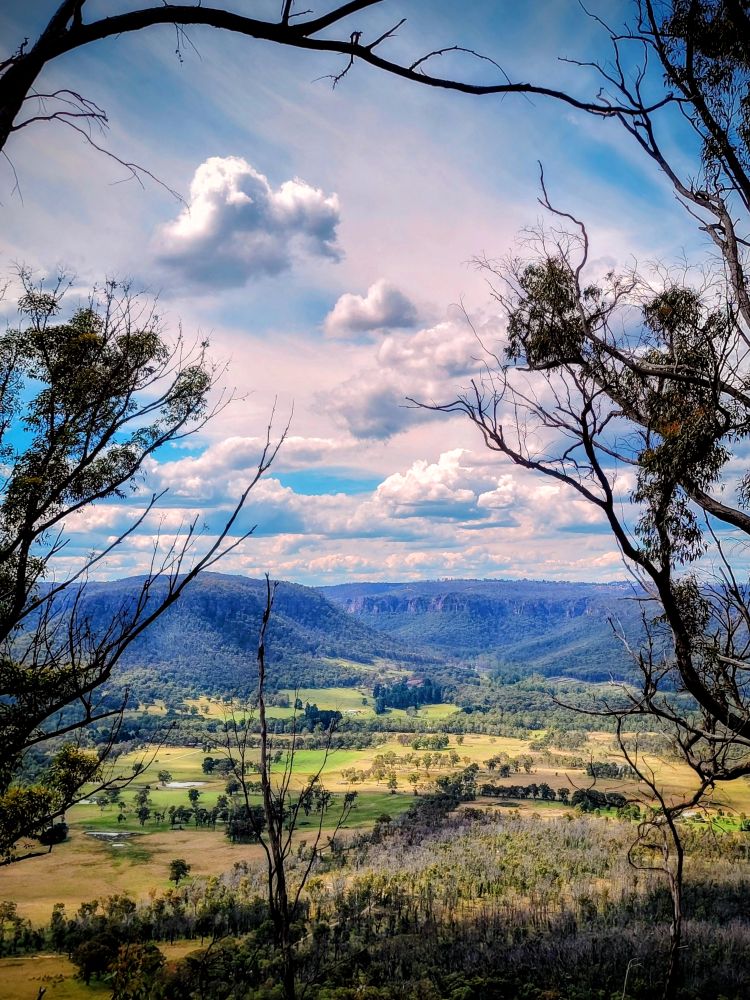
Blaxland, Wentworth and Lawson, were early European explorers who successfully crossed the Blue Mountains in 1813. Looking for grazing land, and to expand the colony, Governor Macquarie instructed William Cox, along with a team of convicts and soldiers, to construct a road from Emu Ford to the Macquarie River at present-day Bathurst.
- July 19, 1814: William Cox begins construction of the road from Emu Ford, tasked by Governor Macquarie.
- Nov 7 – Dec 14, 1814: Cox’s party builds the descent from Mount York (Cox’s Pass) over five weeks, clearing vegetation, moving boulders, and forming a basic route.
- Jan 14, 1815: The entire 101.5 mile road from Penrith to Bathurst is completed.
- 1815 (April-May): Governor Macquarie inspects the road, naming the descent Cox’s Pass.
Cox’s Road over Mt York and down into Hartley Vale was a very steep and treacherous descent….over the years that followed, there were other attempts to build better roads, like Lockyer’s Road and Lawsons Long Alley.
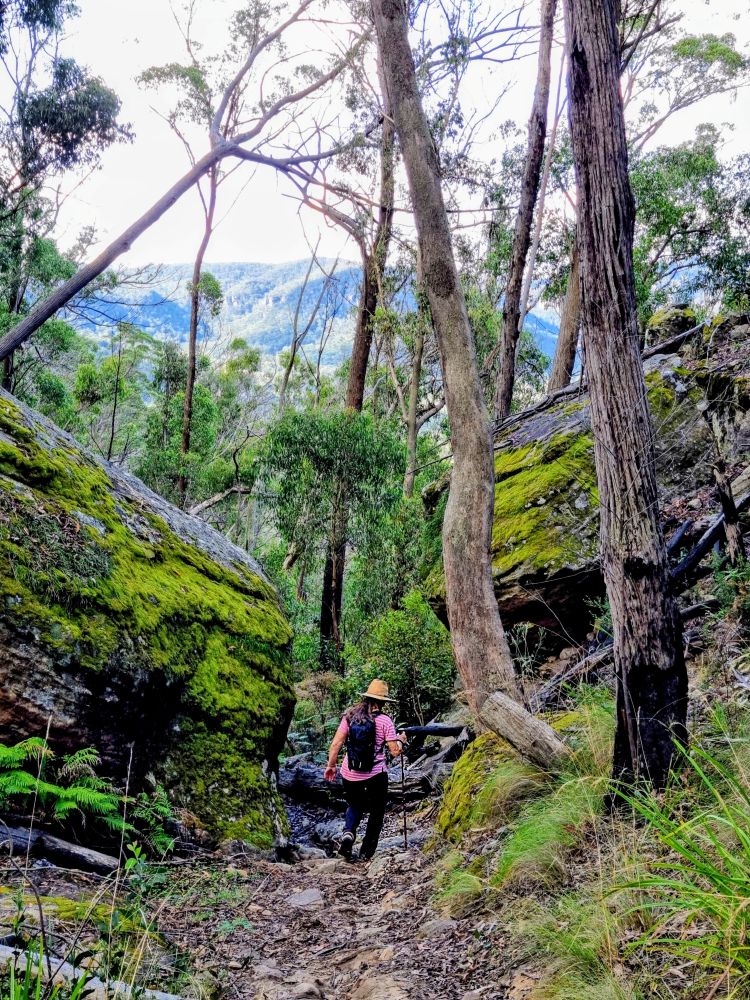
Today, these old convict built roads are now walking tracks.
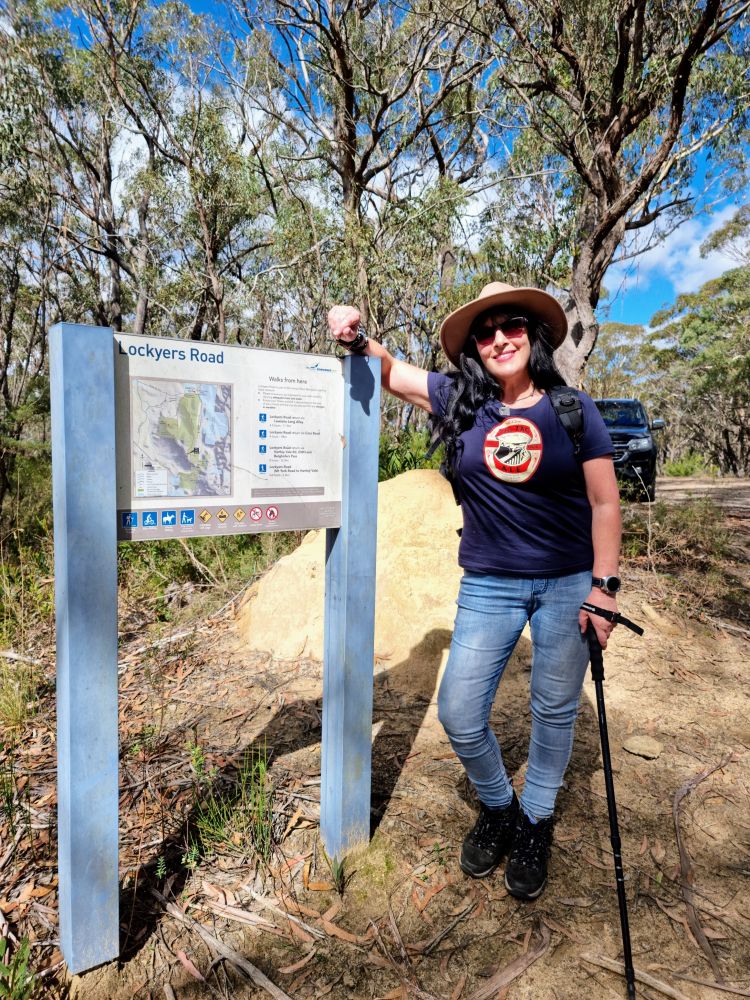
The walking trails are well sign posted, and being in a reserve, are pet friendly.
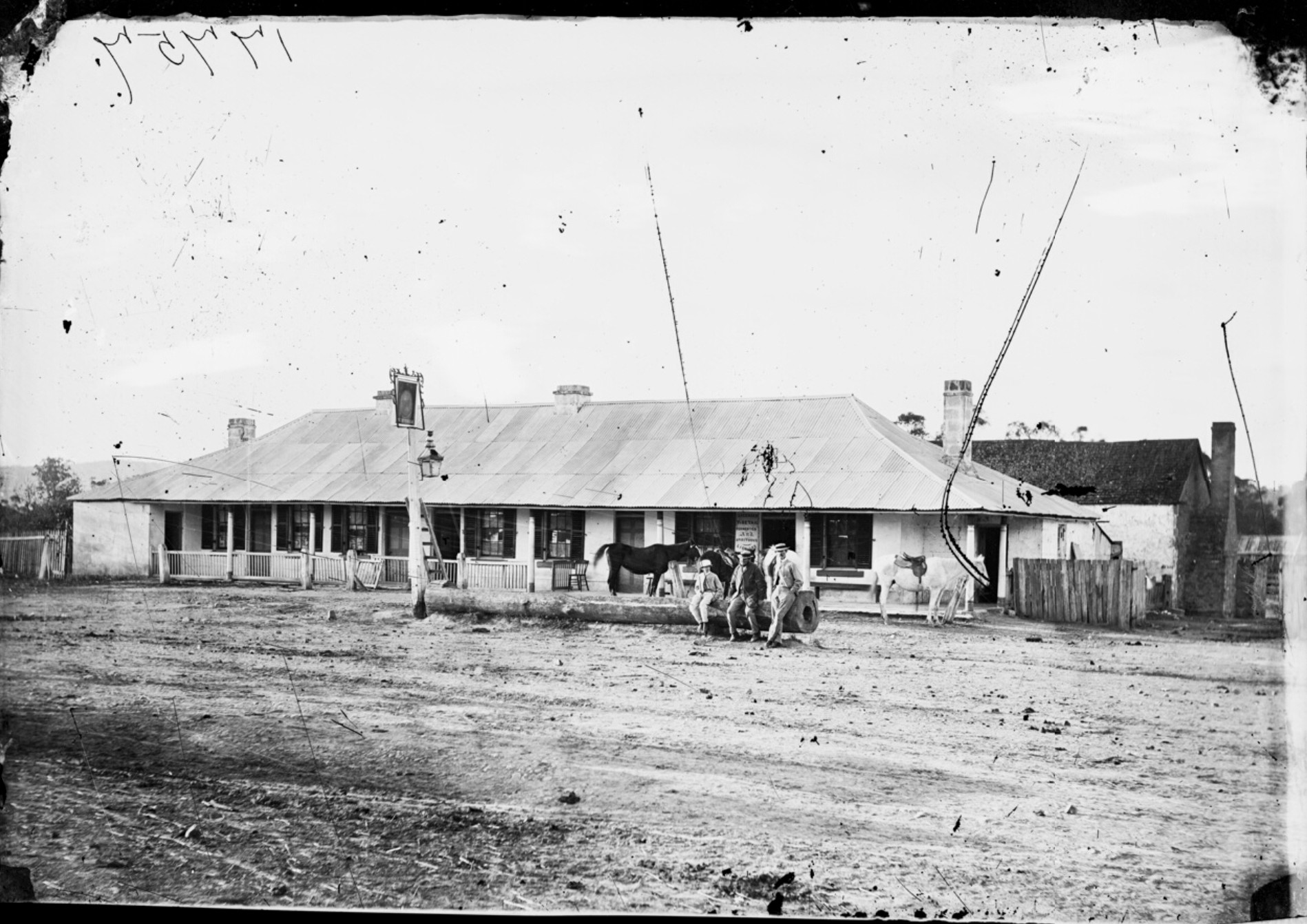
Collit’s Inn – The Heart Of Hartley Vale
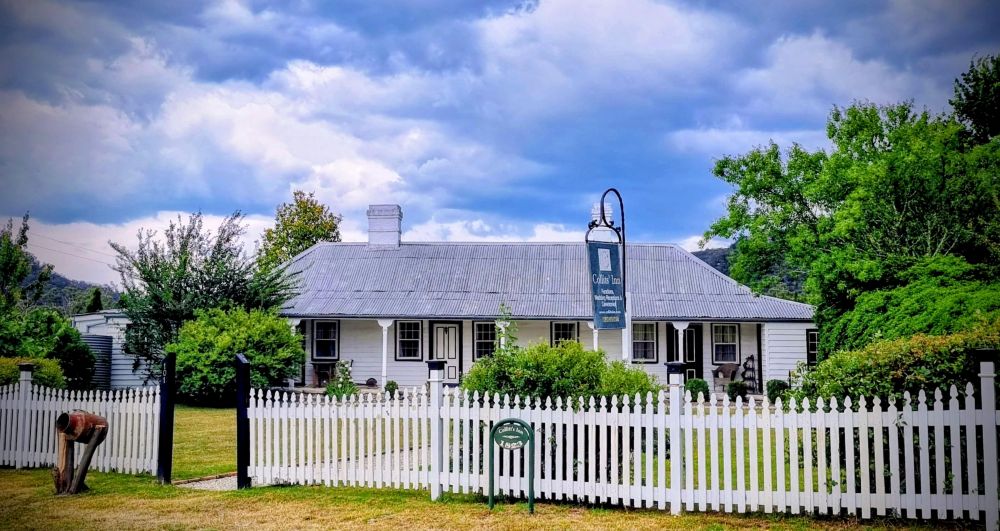
Collits Inn – Then and Now
Built in the early 1820s by Pierce and Mary Collits, The Golden Fleece, as it was known, once offered shelter, meals and rest to travellers crossing the Blue Mountains. Before Mitchells Pass at Mt. Victoria, and later, sealed roads and modern transport, Hartley Vale was a vital stopover on the journey west.
Standing near the inn today, it’s easy to imagine the clatter of hooves, the creak of wagons and the relief of travellers finally reaching the valley floor and some welcome hospitality.
Since its early days as ‘The Golden Fleece’ to now, Colitt’s Inn has been transformed into a fantastic venue, with a reputation for great food, warmth and comfort. The inn has been repurposed as a truly unique, historical wedding destination, with regular micro events and guest musicians.
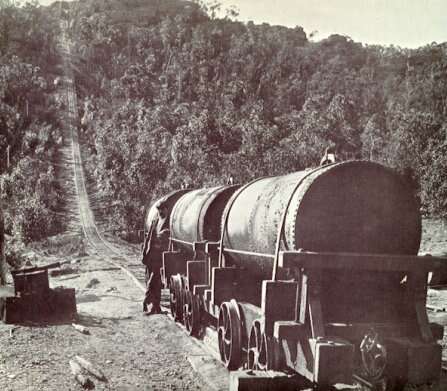
From discovery to extraction : Torbanite
During the construction of Lawsons Long Alley, a three foot seam of coal was found. This coal was in fact Torbanite, better known as Kerosene Shale.
Soon after, mining commenced in Hartley Vale.
Evidence of this mining history can still be seen in some areas – part of Hartley Vale was known as Petrolea Vale, with Kerosene Creek running through the vale. It was quite a bustling town, with its own railway station, a candle factory, retorts, and a refinery.
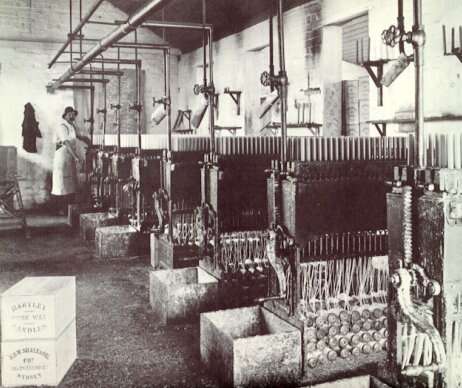
Hartley Vale candle factory in 1906 – the boxes in this photo are labelled Hartley pure wax candles.
‘Comet’ brand oil was produced in Hartley Vale for use in town gas, lubricating oils and paraffin wax for candles. By 1880, there were ten retorts opened, and by 1883, there were sixty nine, with more being built.
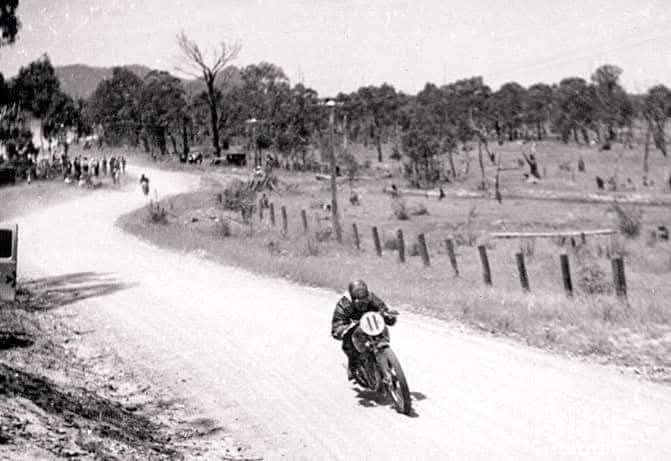
When Hartley Vale Roared !
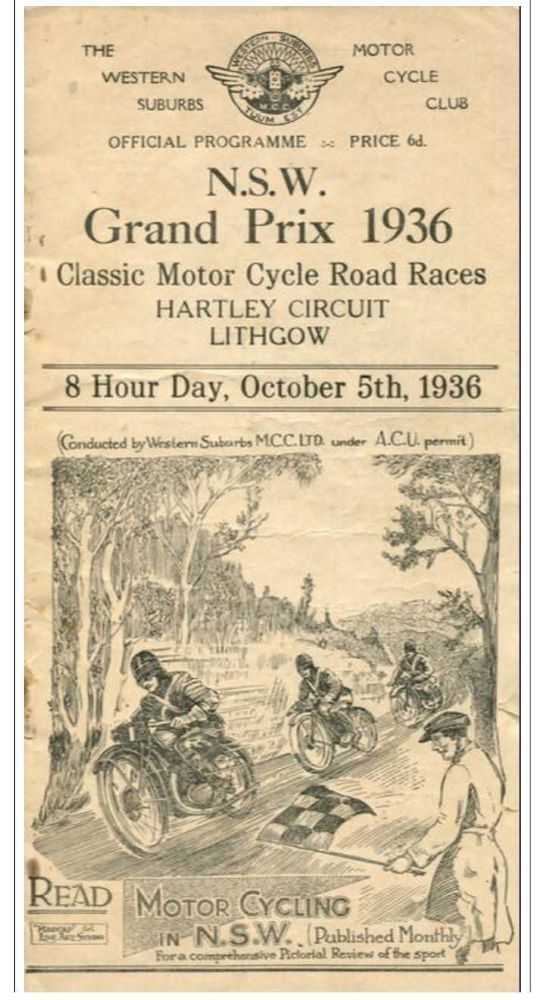
Long before the echo of engines faded back into birdsong, Hartley Vale knew the sound of speed.
In the early decades of the twentieth century, this quiet ribbon of valley floor became an unlikely stage for motorcycle racing. Riders thundered along the narrow roads that followed the Coxs River and climbed toward the Blue Mountains, pushing both machine and nerve to their limits. The course was unforgiving, with steep gradients, loose gravel, sharp bends and unpredictable weather…yet it was precisely this rugged terrain that made Hartley Vale such a proving ground.
These were not purpose-built circuits, but public roads pressed into service for competition. Spectators gathered along fences, creek crossings and hill climbs, picnicking on grassy banks as riders flashed past in clouds of dust and oil. For local families, race days were unforgettable events: a mix of excitement, danger and community spirit that briefly transformed the valley into a place of spectacle.
Motorcycle racing here was as much about endurance as speed. Early machines were heavy and temperamental, brakes were rudimentary, and protective gear minimal. Success depended on mechanical skill, intimate knowledge of the road, and a deep respect for the landscape itself. Every rise and dip of the valley mattered.
As racing regulations changed and safer, purpose-built tracks emerged elsewhere, the roar of engines eventually left Hartley Vale. What remains is a quieter legacy…stories passed down, old photographs, and the knowledge that this peaceful valley once played a significant role in the early history of Australian motorsport.
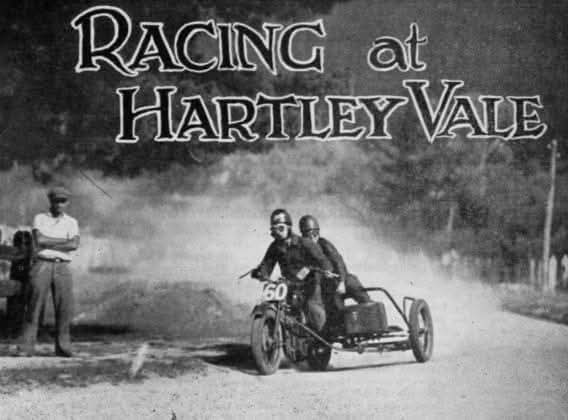
Today, when mist settles over the river flats and the road curves gently through paddocks and sandstone hills, it’s not hard to imagine the sound of engines returning on the breeze – ghosts of a time when Hartley Vale briefly ran on petrol, courage and speed.
History of Hartley Vale Circuit
- Early Racing: The Hartley Vale circuit, a roughly 6 kilometre dirt track, was a popular venue for motorcycle racing in the 1930s, attracting brave riders for its challenging conditions.
- Major Events: It hosted significant races, including the 1936 NSW 500cc Motorcycle Grand Prix
- Track Features: Known for its flat-out sections and dangerous corners like “Bridge Corner” and “Danger Bend,” it tested both rider skill and machine.
- Closure: The original circuit closed in 1936.
Walking The Old Roads
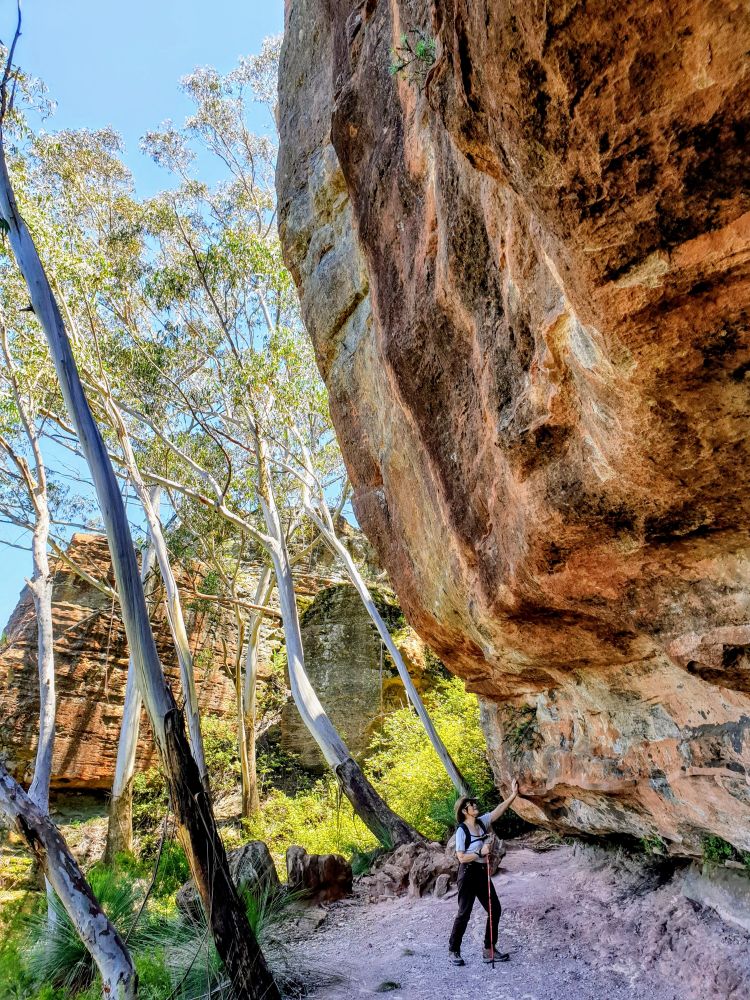
Of course, one of the most rewarding ways to experience Hartley Vale is on foot !
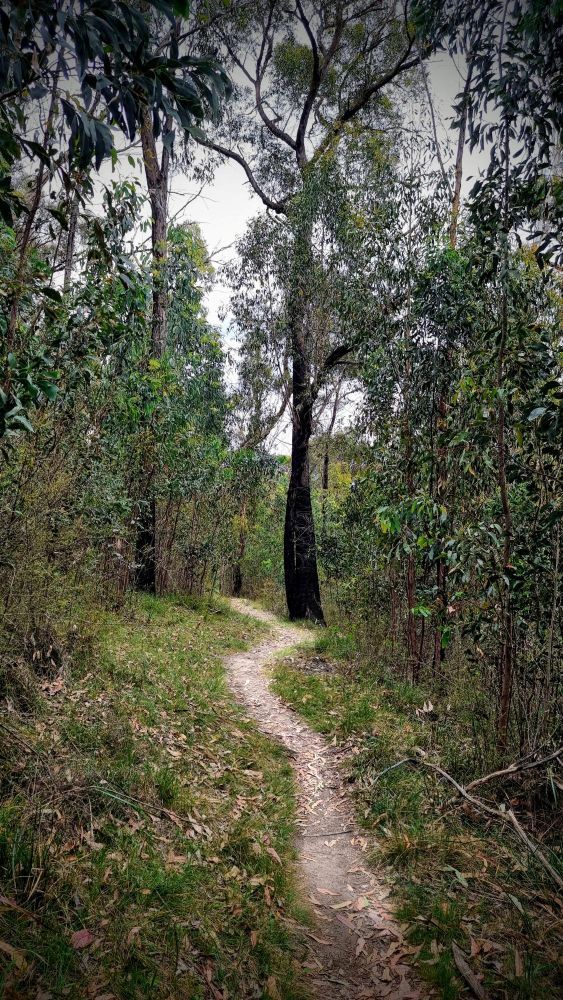
Many of the valley’s walking tracks follow the same routes carved by convicts, settlers and early explorers.
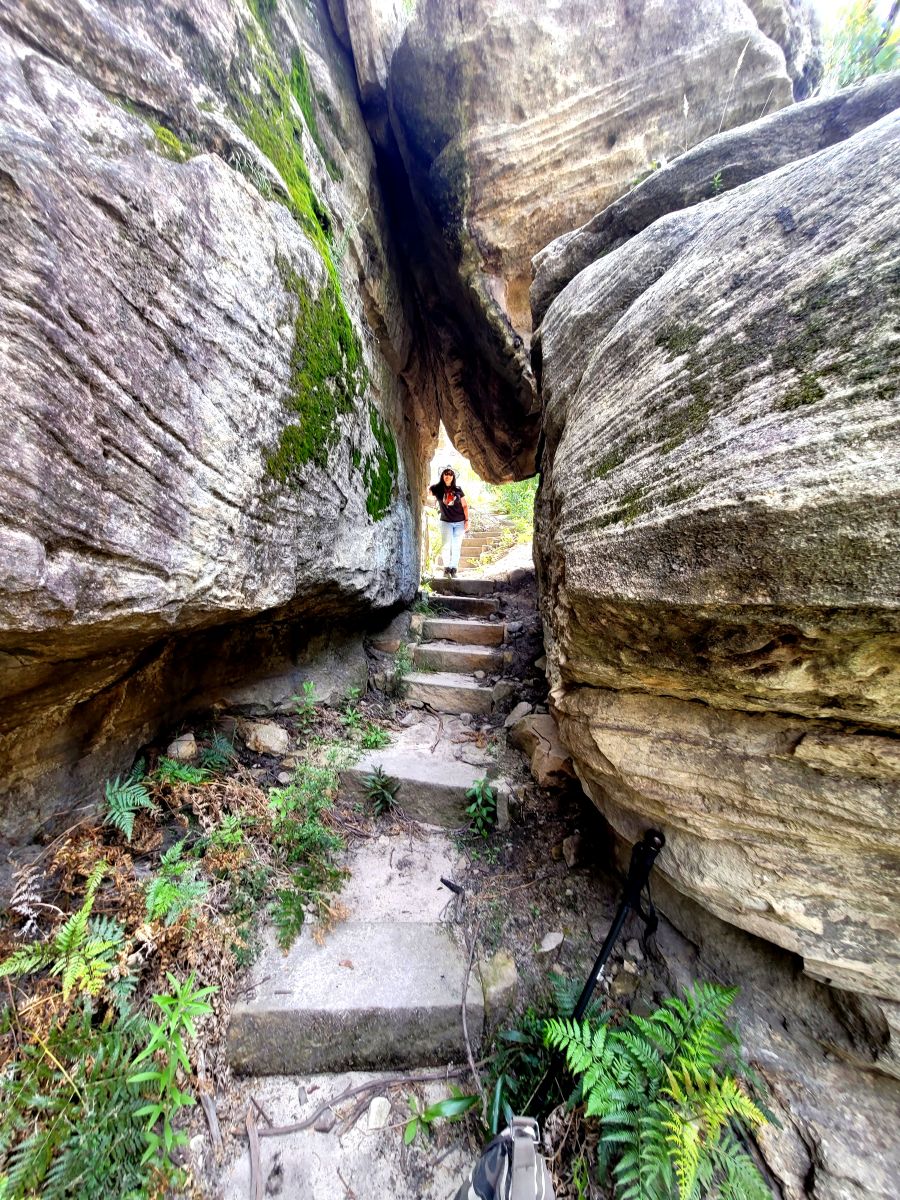
The trails climb steeply from the valley floor, rewarding walkers with sweeping views. Coxs Road, Australia’s first road across the Blue Mountains, still reveals original stone edging and cuttings.
Lockyer’s Road and Lawson’s Long Alley offer atmospheric trails that vividly demonstrate how challenging mountain travel once was for colonial travellers in the early 1800’s.
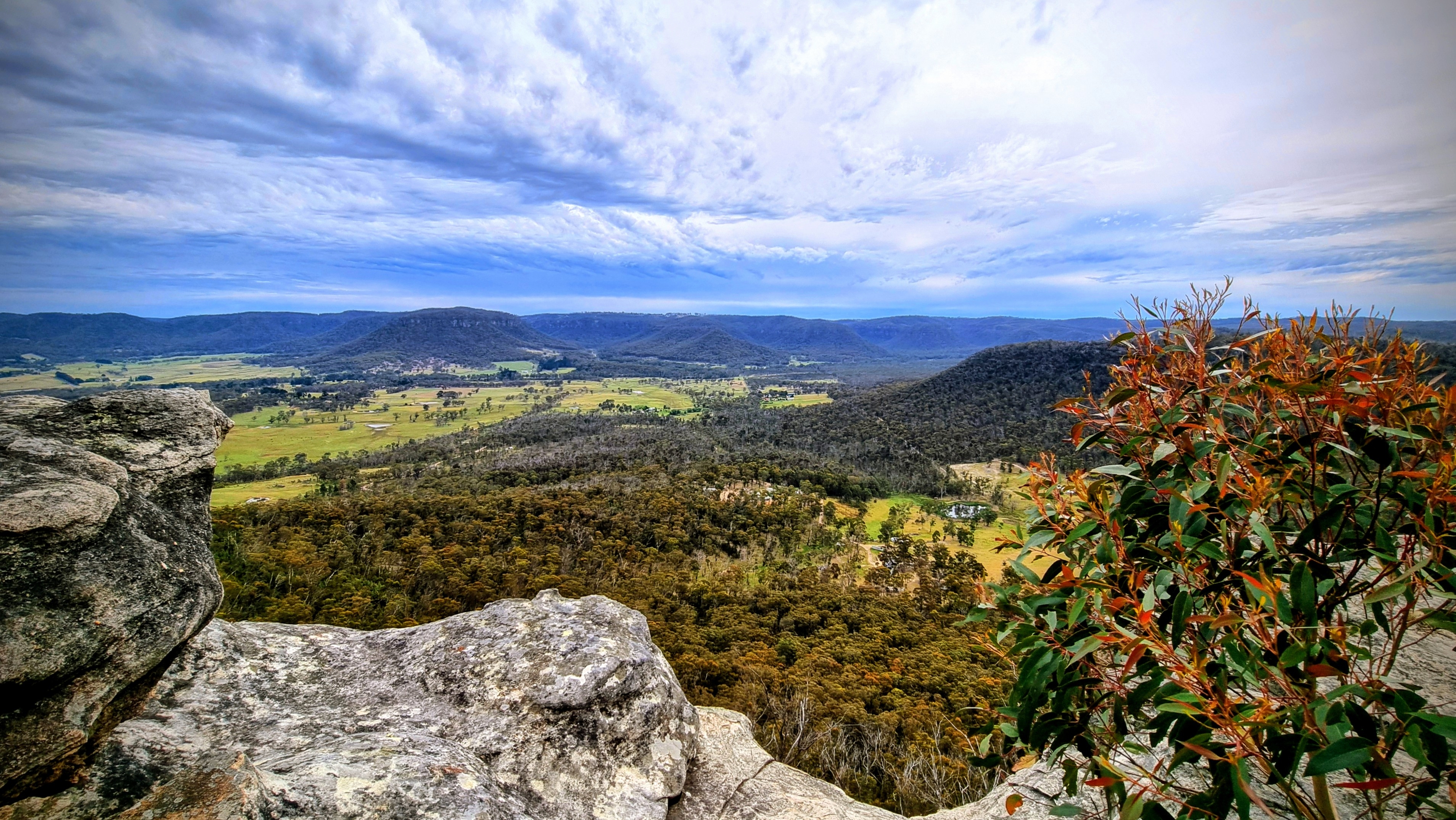
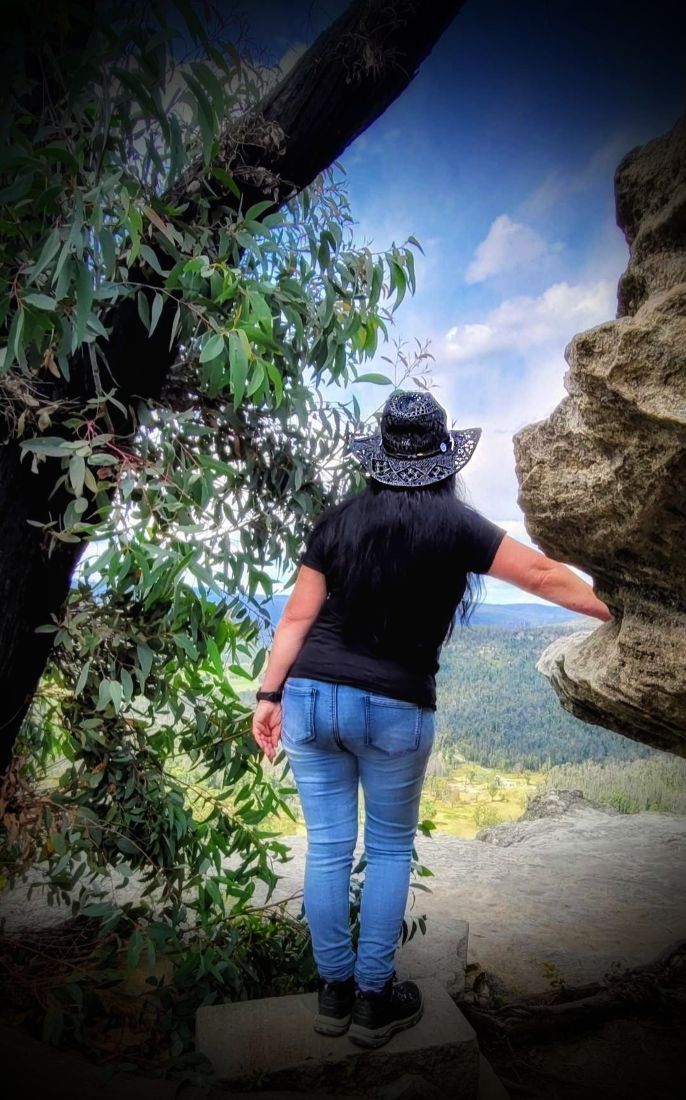
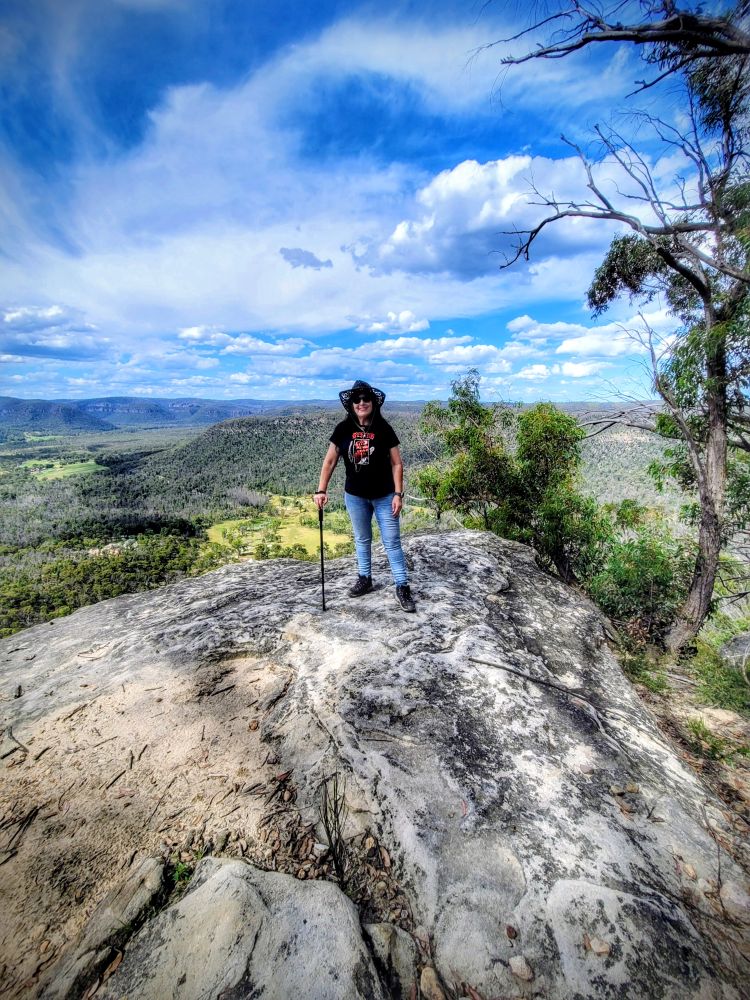
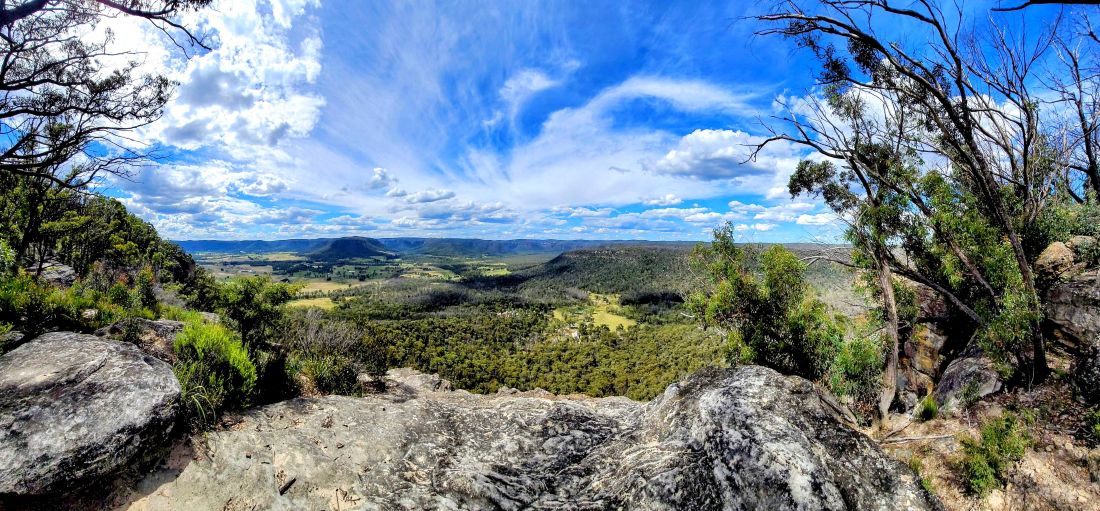
The walk up to Mt York from Lockyers Campground reveals incredible views over the Vale of Clwydd.
The area was named in 1815, by Governor Macquarie, as he travelled along Cox’s Road. He wrote in his journal….. “we pursued our journey in the carriage over a fine plain verdant country of open forestland through a beautiful extensive vale of five miles, which I have named Vale Clwydd after the vale of the same name in Wales”
The traditional place name for the Vale of Clwydd was recorded as ‘Tuiwon’.
Whether you are camping under the stars, or wanting a comfortable cosy cabin or historic guest house, the Hartley Vale area has something to suit every style of visitor.
We can help you find the perfect base for exploring Hartley Vale and beyond.
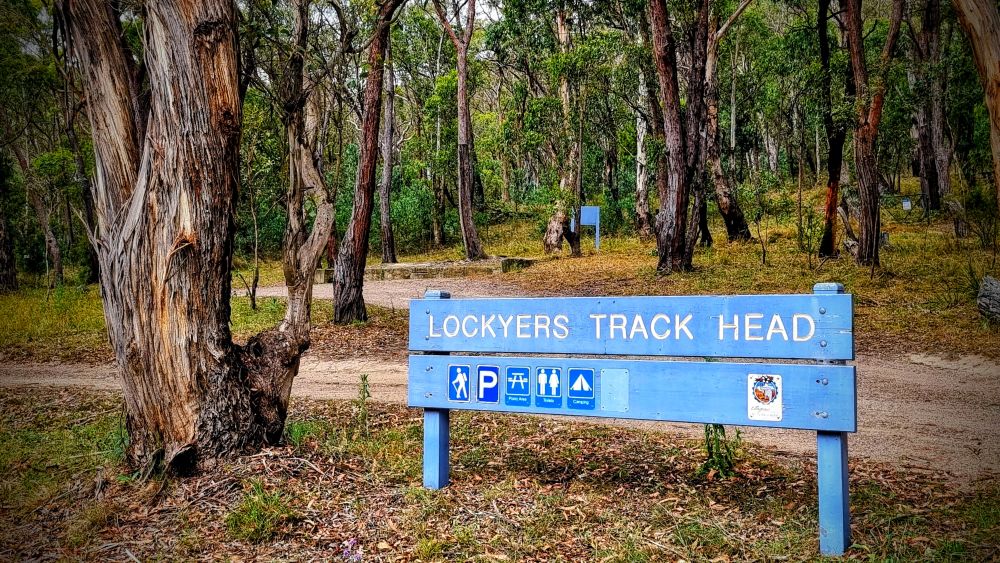
Enjoy A Self-Drive Heritage Trail
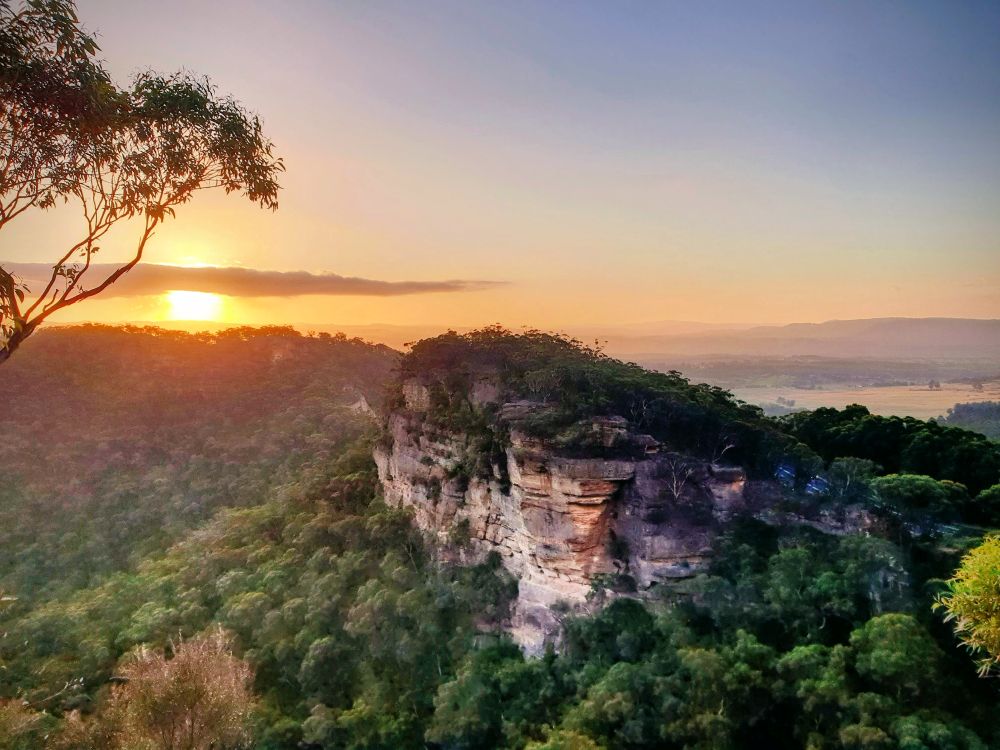
Sunset at Mitchell’s Ridge Lookout
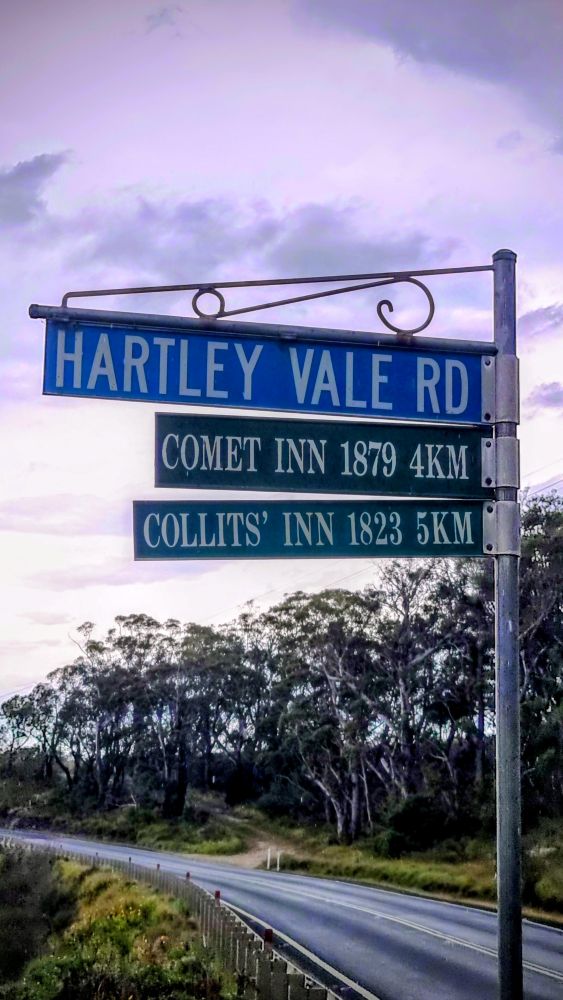
A Scenic drive from Lithgow to Hartley Vale, Mt York and Hartley
This self-drive heritage trail follows the footsteps of early explorers, convicts and settlers as they forged routes across the Blue Mountains into the fertile valleys of the Seven Valleys region. Allow half a day to explore, longer if you enjoy walks, photography or a relaxed stop in Hartley.
STOP 1: HARTLEY VALE
From Lithgow, head along historic Mid Hartley Road (part of Cox’s Original Road 1814-1815) to the historic village of Hartley Vale. Explore the village, with the opportunity to enjoy a picnic at Lockyer’s Track Head campground. Three historic walks can be accessed from here.
OPTION 1 BUSHWALK: COX’S ROAD (1814–1815)
Built by William Cox and a convict workforce, Cox’s Road was the first road across the Blue Mountains. Steep and roughly constructed, it nevertheless enabled wheeled traffic to reach the western plains for the first time.
OPTION 2 BUSHWALK: LOCKYERS ROAD (1828–1829)
Engineered by Major Edmund Lockyer, this road provided a more durable descent for wagons and coaches and became the preferred route until the early 1830s.
OPTION 3 BUSHWALK: LAWSONS LONG ALLEY (c.1822–1823)
Constructed under explorer William Lawson, this quieter route was an attempt to improve gradients and road conditions. Surviving stone retaining walls, cuttings and drainage works remain visible along the walking track today.
See Colitts Inn, The Comet Inn, and enjoy the scenic drive from Hartley Vale to the Darling Causeway.
Turn right at the Darling Causeway and continue on to historic Mt. Victoria. Turn right onto the Great Western Highway and right again at Mt York Road.
STOP 2: MT YORK LOOKOUT – At the end of Mt York Road, enjoy the spectacular views from the multi-tiered lookout, over beautiful Hartley Valley.
*All of these bushwalks can be accessed from either Hartley Vale or Mt York
STOP 3 MITCHELL’S PASS & CONVICT-BUILT BRIDGE (1832)
Named after Surveyor-General Sir Thomas Mitchell, this bridge and pass over Mt Victoria was constructed with convict labour, and is still be used today. The engineering feat is commemorated with an obelisk erected in 1932 and serves as a vital historical landmark for travellers on the Great Western Highway. Stop in at Mitchells Ridge Lookout for fantastic views over Kanimbla Valley and back towards Lithgow. There are covered picnic areas and amenities.
STOP 4: HARTLEY HISTORIC VILLAGE
Once a bustling coaching stop, Hartley is now a beautifully preserved historic village. Visitors can explore heritage buildings, enjoy refreshments and take in the pastoral landscape these early roads were built to reach.
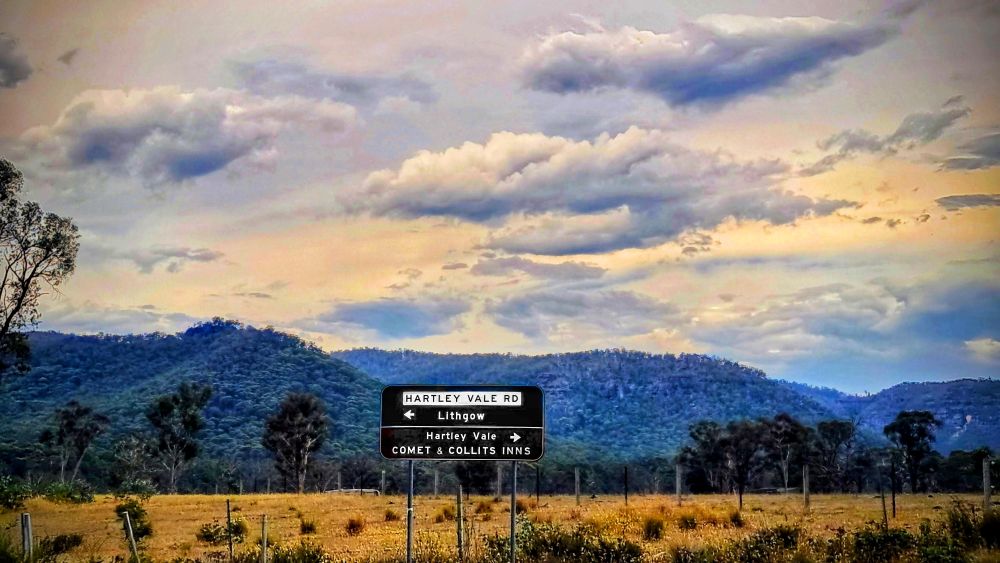
VISITOR TIPS
Suitable for standard vehicles. The walking trails enhance the experience. Stay on marked tracks to protect fragile historic features.
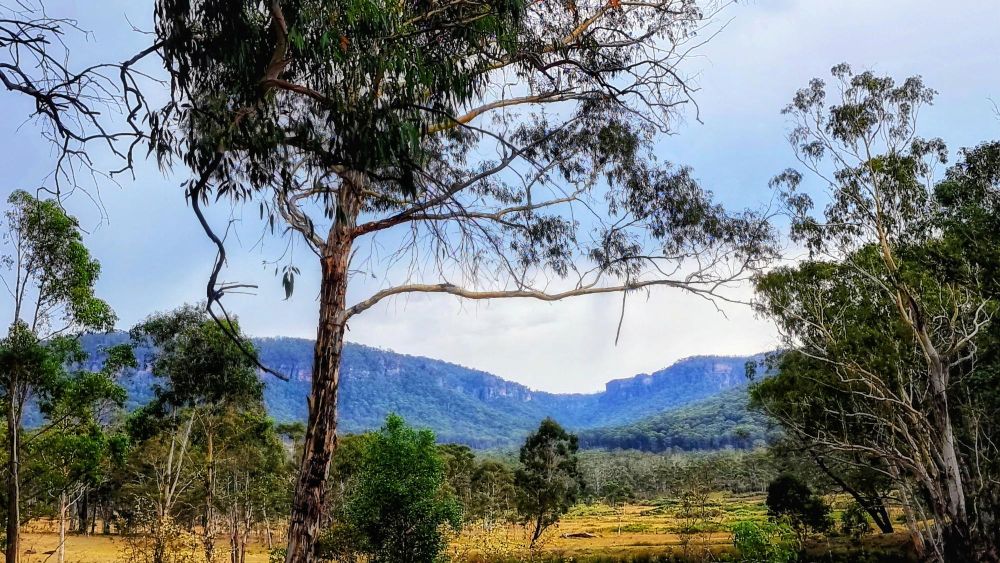
Morning mist, grazing cattle and escarpment backdrops make Hartley Vale one of the most quietly photogenic spots in the Seven Valleys region.
Are you inspired to visit Hartley Vale for yourself?
Hartley Vale is a place that reveals itself slowly, rewarding those who linger.
If you would like to learn more or plan your own visit, get in touch and let us help you discover its stories, walks and quiet beauty.