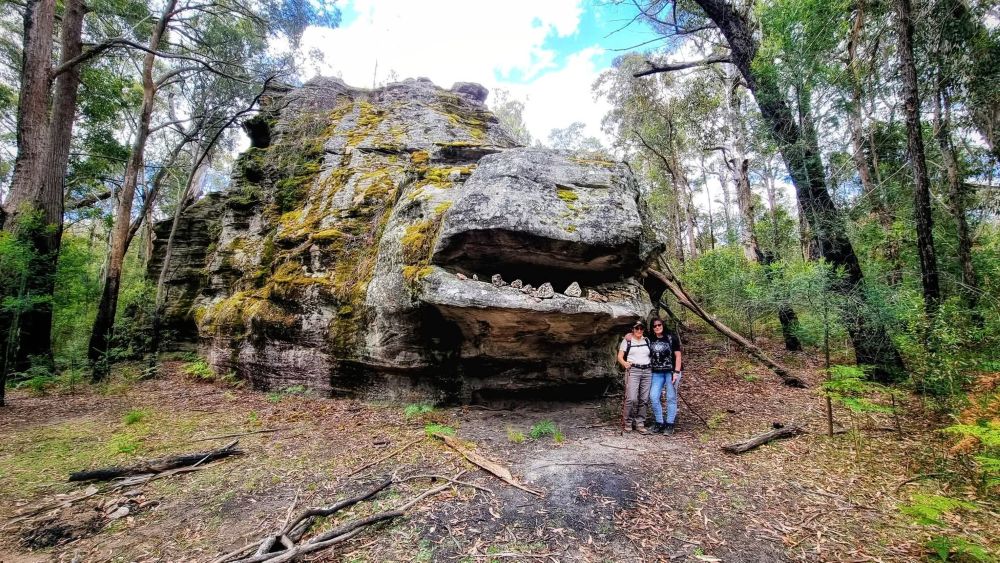

Wild Wollemi Wanderings
There are places in Australia that feel ancient from the moment you arrive. Landscapes shaped long before people, touched by time and weather in ways that make you exclaim in awe.
Wollemi National Park, part of the Greater Blue Mountains World Heritage Area, is one of those places.
Stretching across nearly half a million hectares, the Wollemi is a world of rugged sandstone plateaus, pagoda landscapes, slot canyons, ferny gullies and deep, quiet valleys. It is wild, beautiful, and full of stories, both old and new.
For visitors exploring the Lithgow and Seven Valleys region, Wollemi offers some of the best day walks in the state. Tracks that blend natural beauty, history, geology, and that rare feeling of being truly away from it all.
Whether you’re after an easy amble beneath ferny overhangs or a journey through pagoda-studded plateaus, I’m going to show you some of my favourite walks that showcase the magic of Wollemi.
Wollemi National Park is one of the great natural anchors of the Seven Valleys region ! A vast, wild expanse that shapes our identity, our tourism experiences, and the way visitors connect with this part of NSW. As the second-largest national park in the state, and home to the incredible ‘dinosaur tree’, the Wollemi Pine, it forms the dramatic northern boundary of the region and showcases exactly what makes the Seven Valleys so special: deep gorges, sweeping mesas, pagoda rock formations, hidden canyons, and wide forested plateaus.
I’ve chosen four of my favourite walks in the Wollemi National Park – it was hard to choose from so many amazing options!
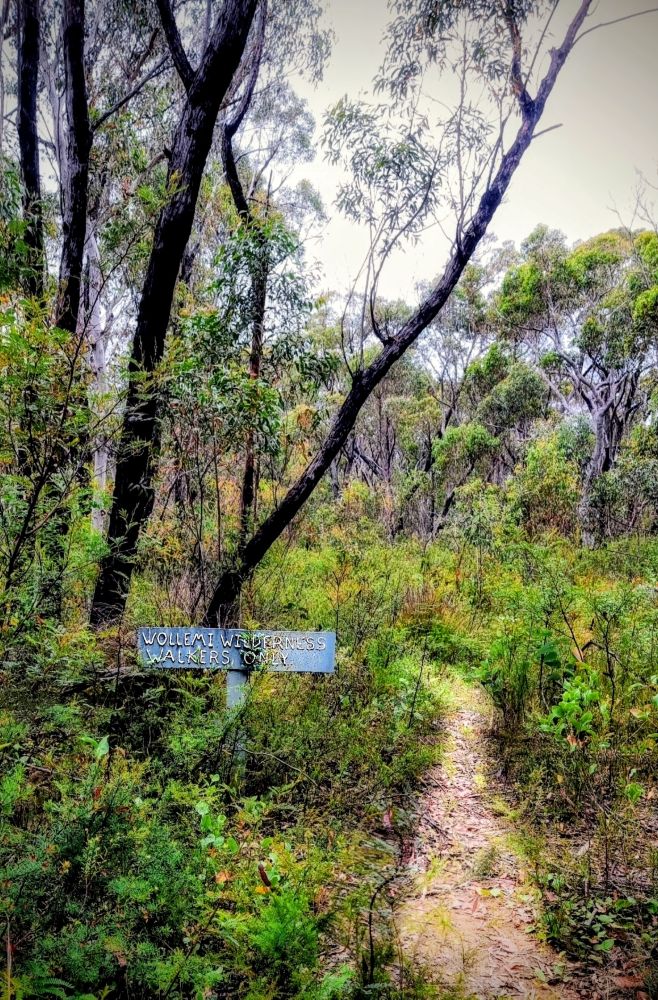
Become a Wollemi Wilderness Walker – the benefits of bushwalking are well known !
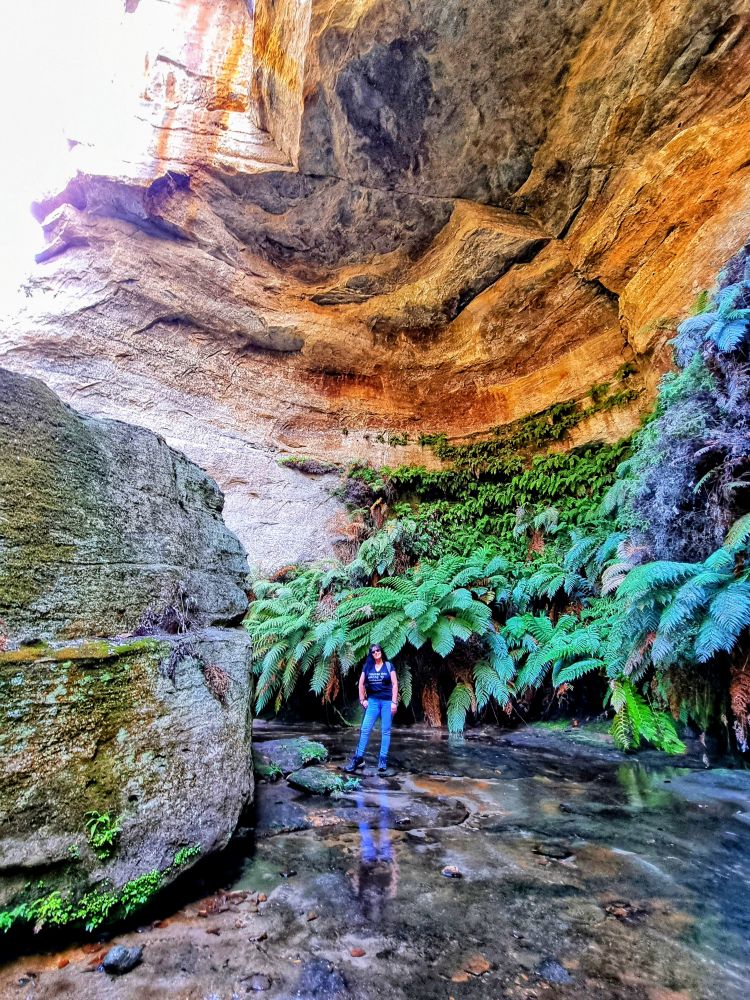
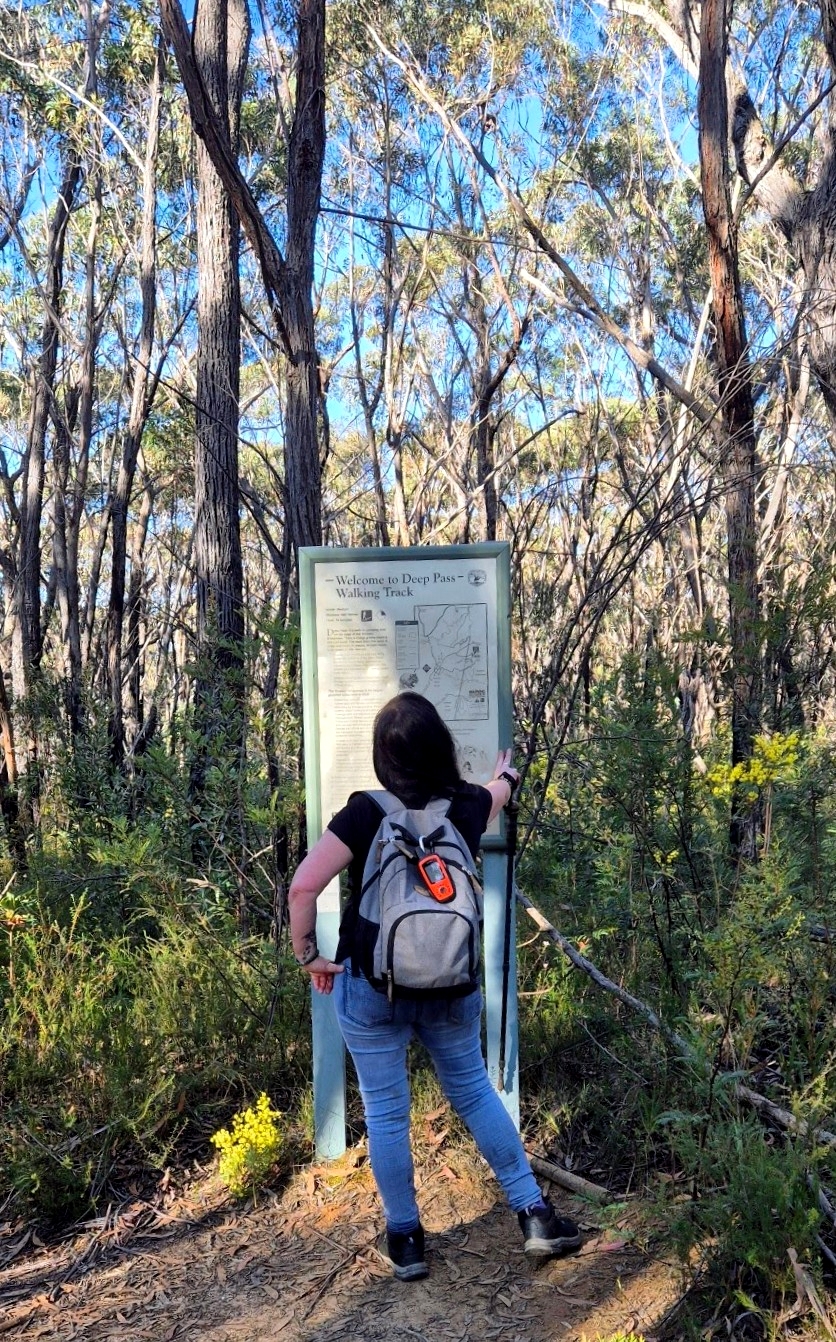
1. Deep Pass Walking Track
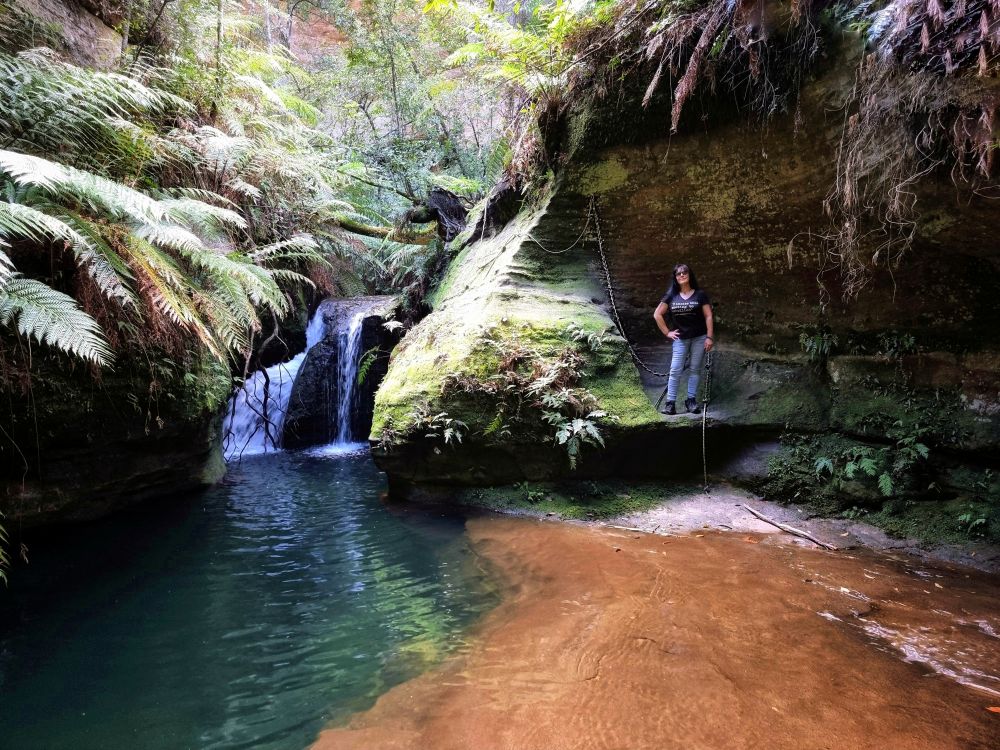
A walk into a cool, fern-filled gorge with stunning rock overhangs, clear pools and waterfalls. A walk-in camping area, with plenty more to discover! Walk to the first pool and waterfall, or for more of an adventure, complete the loop with the assistance of fixed ropes – one for warmer days as you’re definitely getting wet ! Ancient, magical and family-friendly.
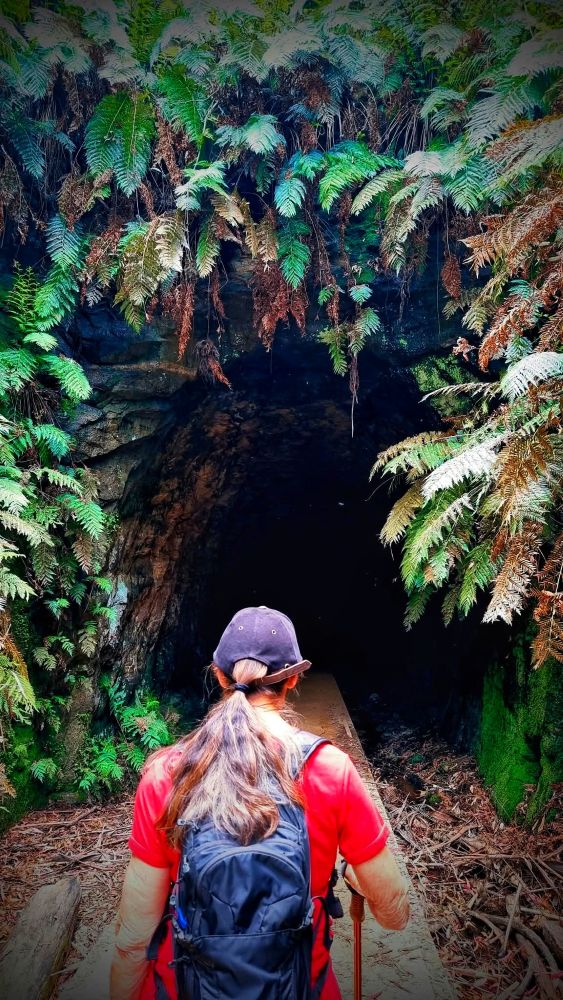
2. The Glow Worm Tunnel
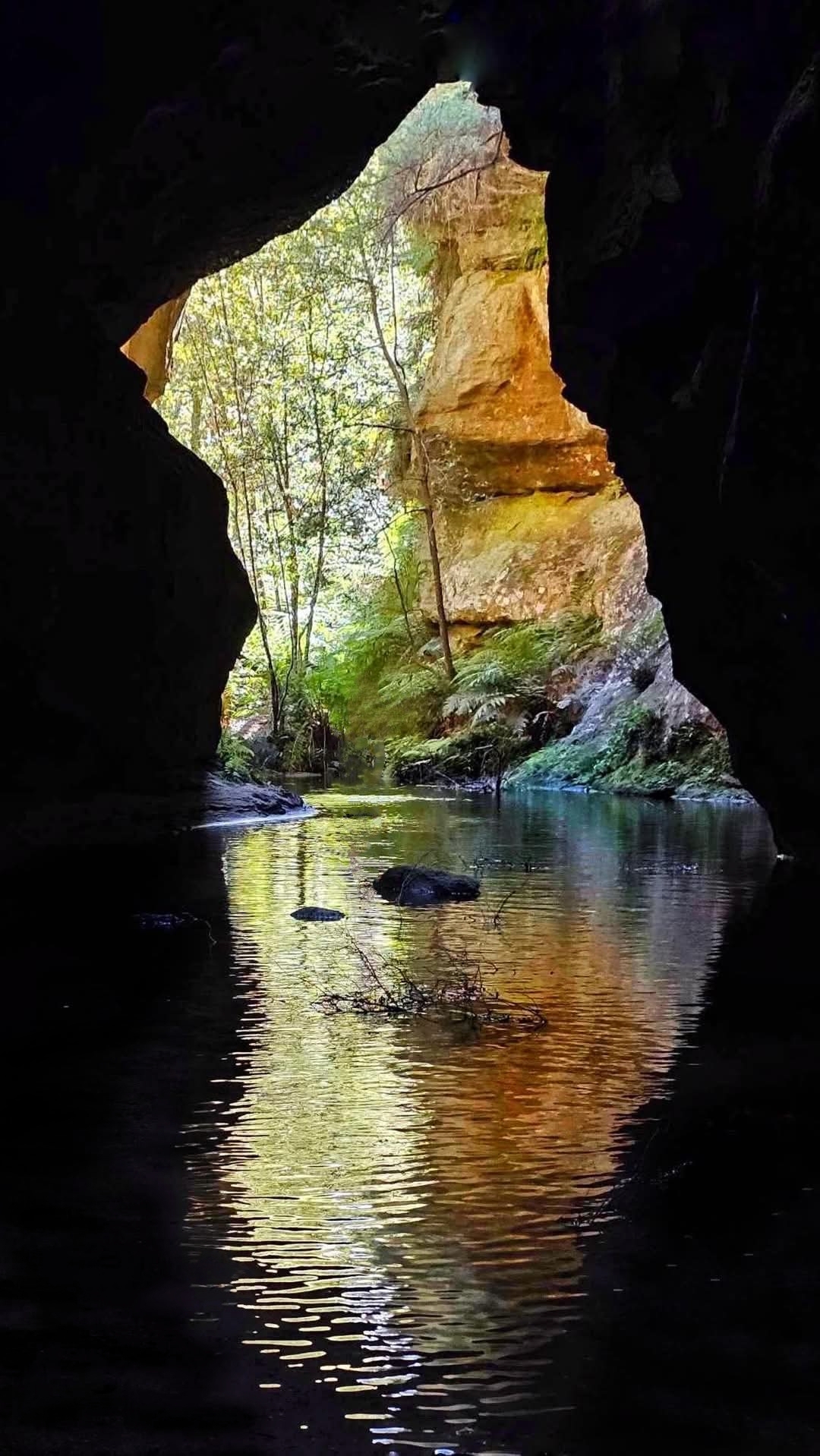
A blend of geology and history, an easier walk in the Wollemi to the famous tunnel glowing with thousands of tiny lights, produced by the resident glow worms.
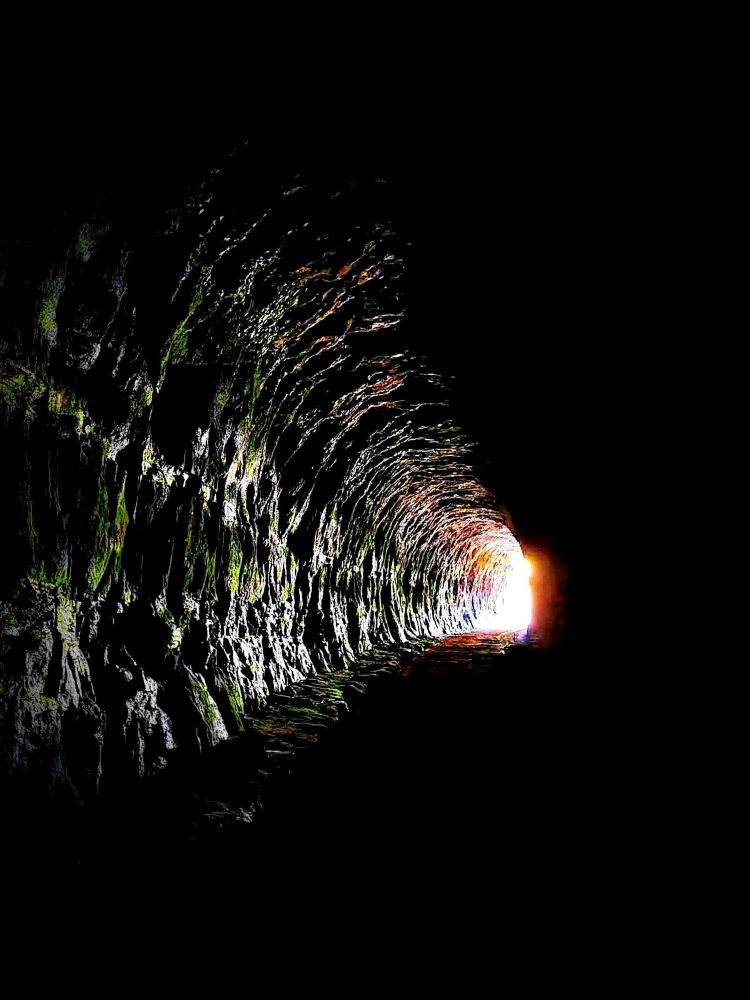
How does the ‘glow’ work ?
- A Chemical reaction: The light is produced through a process called bioluminescence, which is a chemical reaction.
- Energy efficient: This reaction is highly energy-efficient, creating light without producing significant heat.
- Controlled glow: Glow worms can actually brighten, dim, or turn off their lights to attract prey when insect activity is high.
- Luring prey: The blue-green light attracts small insects towards the glow worm’s nest.
- Sticky snares: The insects become entangled in long, sticky silk threads, which the glow worm hangs from its lair.
- Catching prey: Once the prey is trapped, the glow worm uses its mouth to pull the snare up and eat the insects.
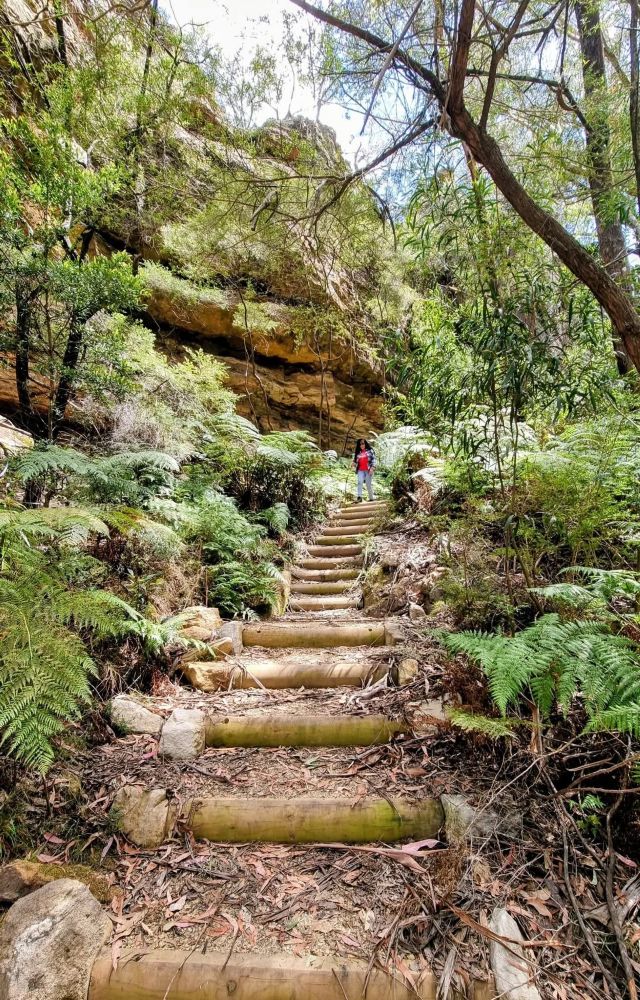
3. The Old Coach Road and the Pagoda Track adventure
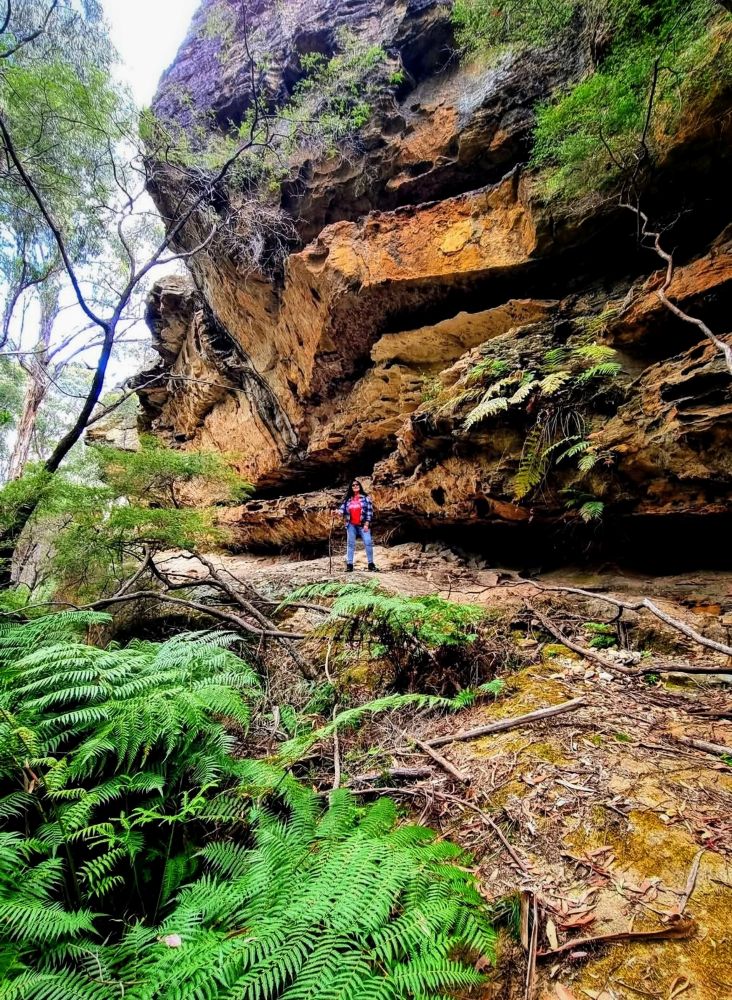
A scenic, historic, and longer walk to the Glow Worm Tunnel. This alternate route takes you past Pagoda formations, changing forest, and incredible sandstone overhangs, culminating in the walk through the iconic Glow Worm Tunnel.
Horse-drawn coaches and supply wagons once rattled along this track, carrying miners, families and goods up and over the rugged sandstone plateau….
Newnes Plateau is the highest sandstone plateau in the Greater Blue Mountains World Heritage Area, reaching an altitude of nearly 1200 metres. This topography meant the journey by coach was slow and treacherous.
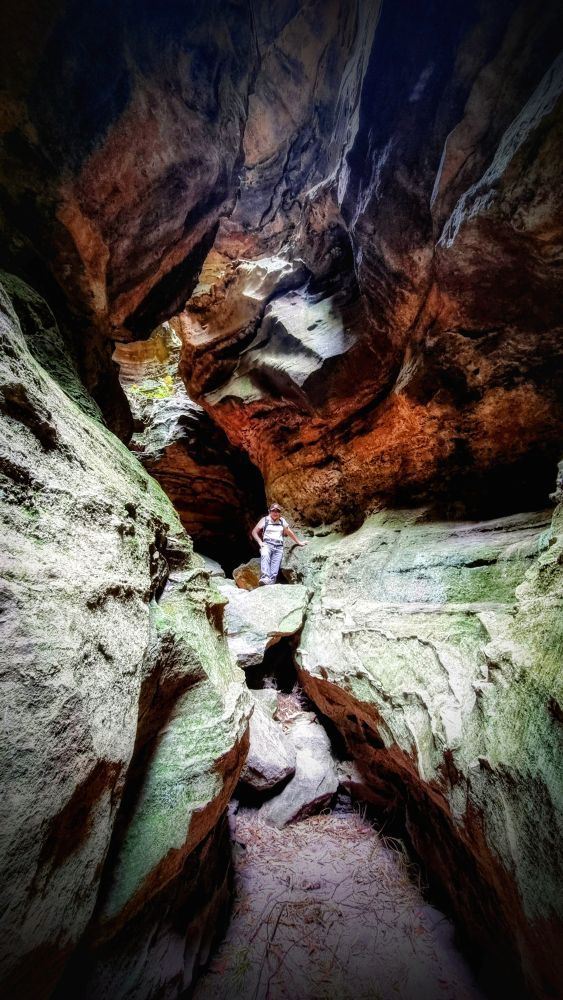
4. Dry Canyon, also known as Wolgan View Canyon
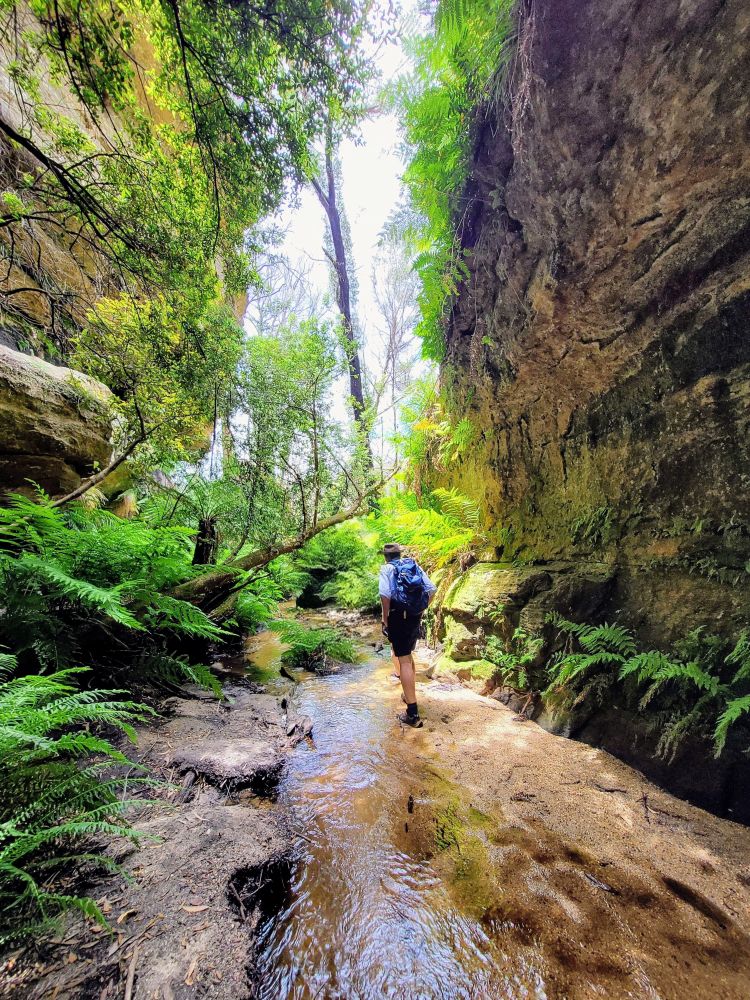
One of the most unique and accessible “slot canyon–style” walks in the region. The Dry Canyon is a narrow chasm carved through towering sandstone walls, where cool air, filtered light and mossy rock create an atmosphere usually found only in remote canyons requiring technical equipment. Here, there is no abseiling, and no technical experience necessary. It’s a rare chance to experience the magic of canyon country up close, safely and easily. Perfect for more adventurous and confident hikers, and great for those seeking something truly different. There are a couple of rock scrambles to negotiate.
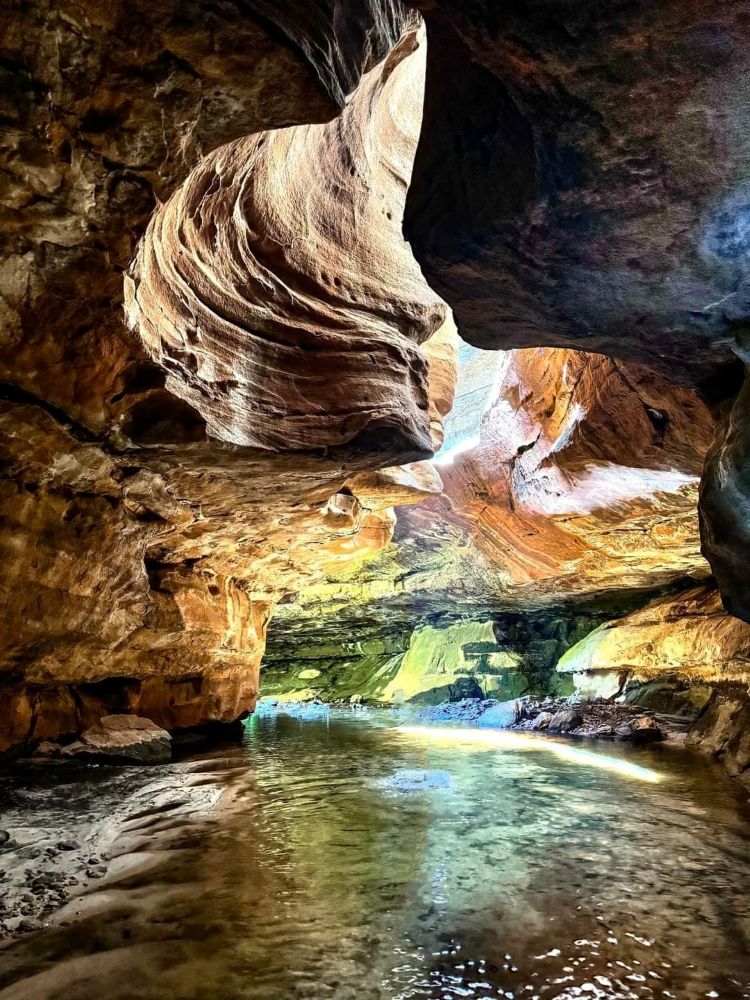
Finding Your Way
Wollemi National Park sits just outside Lithgow, with each of my featured walks located on the Newnes Plateau.
Choose Your Adventure
From the historic Glow Worm Tunnel, and rugged pagoda ridgelines to quiet canyons full of ferns and birdsong, Wollemi National Park offers so many unforgettable walking experiences.
Which one will you choose ?
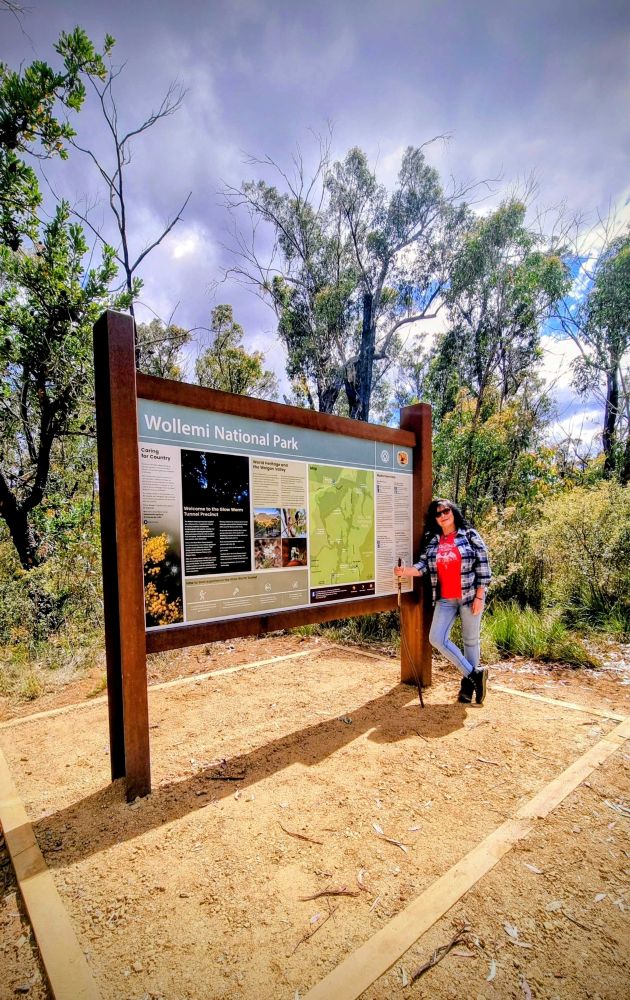
If these walks appeal to you, the staff at the Seven Valleys Visitor Centre would love to help you find your perfect walk.
So come along and see us, or get in touch – let us help you plan your wild Wollemi adventure !
Bushwalking Safety Tips for Wollemi National Park
A walk in Wollemi National Park should be an unforgettable experience, for all the right reasons!
The terrain is remote and conditions can change quickly.
1. Plan your walk in advance
– Check track grades, distances, daylight hours, and expected weather.
– Choose routes that match your fitness and experience.
2. Tell someone your plans
– Share your route and expected return time with a friend or accommodation host.
– Let them know once you’re safely back.
3. Download offline maps
– Mobile coverage is limited or nonexistent in many parts of the Wollemi.
– Download offline maps through NSW National Parks, AllTrails, Avenza, or similar apps
before leaving town.
4. Check NPWS alerts
– Look for closed tracks, road conditions, fire danger, flood warnings, or maintenance works before you go.
5. Pack appropriate gear
– Bring a charged phone, portable battery, map, compass (if experienced), first aid kit, torch/headlamp, snacks, and plenty of water…remember to bring a red-light torch for the Glow Worm tunnel, this is least disruptive to the glow worms.
6. Dress for Wollemi conditions
– Wear sturdy footwear with grip.
– Pack layers for sudden temperature drops in gorges and high country.
– Carry a rain jacket, even on sunny days.
7. Carry enough water
– Streams and creeks in Wollemi are not reliable or safe for drinking.
– Take at least 1 litre per hour in hot conditions.
8. Stay on marked tracks
– Stick to established trails.
9. Watch the weather
– Storms can form rapidly over the ranges, affecting creek levels.
– Avoid slot canyons and low gullies if rain is forecast.
10. Respect fire safety
– On days of Total Fire Ban, avoid remote walks.
– Be aware of bushfire risk at all times; conditions can change quickly.
11. Take care near cliffs and pagodas
– Many lookouts have sheer sandstone edges and uneven rock platforms.
– Supervise children closely.
12. Be wildlife aware
– Snakes, goannas, and wasps are common in warm weather.
– Keep your distance and watch where you place hands and feet.
13. Avoid canyons during wet weather
– Flash flooding can occur even after distant rainfall.
– Always check conditions before entering canyons
14. Leave no trace
– Carry out all rubbish.
– Protect the fragile pagoda formations by not climbing on unstable structures.
– Keep noise low to preserve the wilderness atmosphere. Especially important inside the Glow Worm Tunnel – the glow worms are very sensitive to light and sound.
15. Know your limits
– Turn back if conditions change or you feel unsure of the route. It’s really important to choose a walk that matches your experience and fitness level !
16. Get advice !
Talk to the friendly staff at the Seven Valleys Visitor Centre – we have Topographic maps, brochures, and sound local knowledge. We can assist with information about road conditions, track closures, and how to get there !